Table of Contents
ToggleKitchens vs. kitchenettes, what’s the real difference, and why does it matter? Whether someone is renting an apartment, designing a new home, or investing in property, understanding these two spaces can save time, money, and frustration. A full kitchen offers extensive cooking capabilities, while a kitchenette provides a compact solution for smaller spaces. This guide breaks down the key differences between kitchens and kitchenettes, covering size, appliances, functionality, and which option fits different lifestyles best.
Key Takeaways
- Full kitchens offer 100+ square feet with complete appliances like ovens, dishwashers, and full-size refrigerators for extensive cooking.
- Kitchenettes occupy 30–80 square feet and include basic amenities like a mini-fridge, microwave, and small sink.
- When comparing kitchens vs. kitchenettes, appliance capacity and cooking habits should guide your decision.
- A full kitchen installation costs $15,000–$50,000, while a kitchenette runs $3,000–$10,000, making budget a key factor.
- Kitchenettes work best for studio apartments, guest suites, and those who eat out frequently or prepare simple meals.
- Homes with full kitchens typically appraise higher, but kitchenettes can add value to basement units or rental properties.
What Defines a Full Kitchen
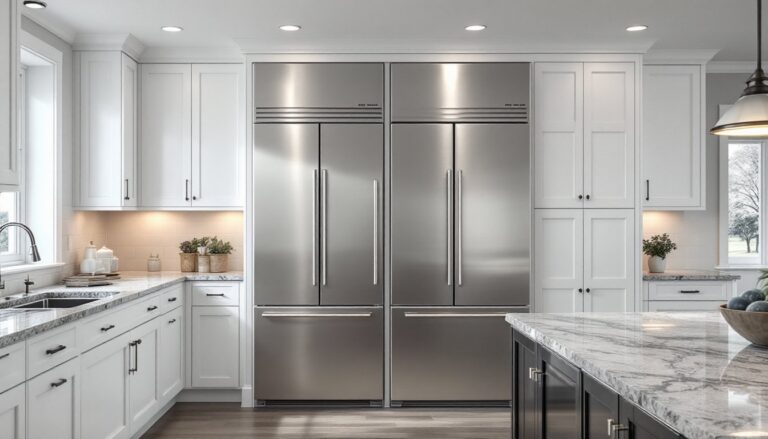
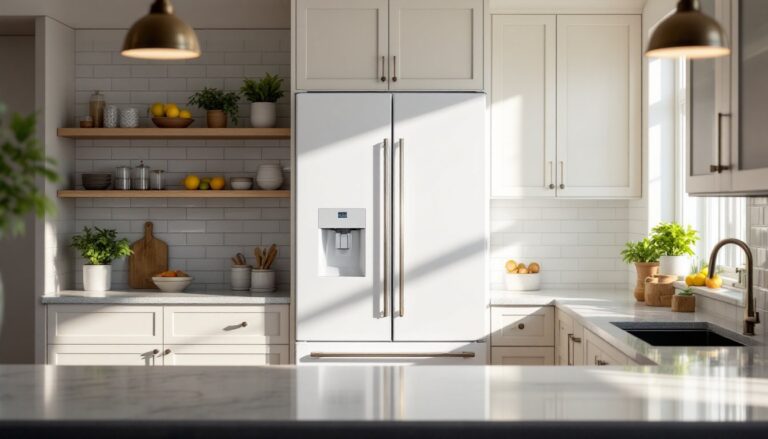
A full kitchen is a dedicated room designed for complete meal preparation. It includes standard appliances like a full-size refrigerator, oven, stovetop with four or more burners, and a dishwasher. Most kitchens also feature ample counter space, multiple cabinets, and a sink with hot and cold water.
Kitchens typically measure 100 square feet or more. This space allows for multiple people to cook at the same time. Storage is another major advantage, full kitchens have room for pantry items, cookware, and small appliances like blenders and toasters.
Building codes often require kitchens to meet specific ventilation and electrical standards. These requirements ensure safety when using gas or electric cooking equipment. A full kitchen supports everything from quick breakfasts to elaborate dinner parties.
For homeowners who cook regularly, a full kitchen is essential. It provides the tools and space needed for diverse recipes and cooking techniques. Kitchens vs. kitchenettes comparisons often start here because a full kitchen sets the standard for what cooking spaces can offer.
What Is a Kitchenette
A kitchenette is a small cooking area with limited appliances. It typically includes a mini-fridge, microwave, and a small sink. Some kitchenettes add a two-burner stovetop or hot plate, but full ovens are rare.
Kitchenettes usually take up less than 80 square feet. They often appear in studio apartments, hotel rooms, office spaces, and guest suites. The compact design works well for people who eat out frequently or prepare simple meals.
Storage in a kitchenette is minimal. Users might find a few cabinets or shelves, but there’s no room for extensive cookware collections. Counter space is also limited, which restricts food prep options.
Even though these limitations, kitchenettes serve an important purpose. They provide basic food preparation capabilities without requiring a full renovation or large footprint. For renters or property owners with space constraints, a kitchenette offers a practical middle ground between no cooking facilities and a full kitchen.
When comparing kitchens vs. kitchenettes, the kitchenette prioritizes efficiency over capacity. It’s built for convenience, not elaborate cooking.
Size and Layout Comparison
Size is one of the clearest differences between kitchens and kitchenettes. A standard kitchen ranges from 100 to 200 square feet in most homes. Larger homes may have kitchens exceeding 300 square feet, especially with open-concept designs.
Kitchenettes, by contrast, occupy 30 to 80 square feet. Some are tucked into a corner of a living area rather than occupying a separate room. This compact footprint makes kitchenettes ideal for small apartments and multi-use spaces.
Layout options also differ significantly. Full kitchens can feature L-shaped, U-shaped, galley, or island configurations. Each layout offers different advantages for workflow and storage. Homeowners can customize their kitchen layout based on how they cook and entertain.
Kitchenettes typically follow a single-wall or small galley layout. Everything lines up along one wall to maximize limited space. This simplicity keeps costs down but limits flexibility.
The kitchens vs. kitchenettes debate often comes down to available square footage. Someone with a 500-square-foot studio apartment can’t fit a full kitchen. But a homeowner building a basement apartment might choose a kitchenette to save space while still offering cooking options.
Appliances and Functionality
Appliances create the biggest functional gap between kitchens and kitchenettes. A full kitchen includes:
- Full-size refrigerator (18+ cubic feet)
- Four-burner stovetop or range
- Standard oven
- Dishwasher
- Garbage disposal
- Microwave (built-in or countertop)
These appliances support any cooking task. Users can bake, roast, simmer, and store large quantities of food. A full kitchen handles weekly grocery hauls and complex recipes without issue.
A kitchenette typically includes:
- Mini-fridge (3–5 cubic feet)
- Microwave
- Two-burner cooktop (sometimes)
- Small sink
These limited appliances restrict cooking to reheating, simple stovetop meals, and cold food preparation. Baking isn’t possible without an oven. Large-batch cooking is difficult with minimal refrigerator space.
Functionality extends beyond appliances to electrical capacity. Full kitchens have dedicated circuits for high-draw appliances. Kitchenettes may share circuits with other rooms, which limits what can run simultaneously.
For anyone weighing kitchens vs. kitchenettes, appliance needs should guide the decision. Daily cooks need a full kitchen. Occasional meal preparers can manage with a kitchenette.
Choosing the Right Option for Your Space
Selecting between a kitchen and kitchenette depends on several factors: space, budget, cooking habits, and intended use.
Space constraints often make the decision automatically. A 400-square-foot apartment can’t accommodate a full kitchen without sacrificing living space. Kitchenettes work best in these situations.
Budget plays a role too. Installing a full kitchen costs $15,000 to $50,000 or more, depending on finishes and appliances. A kitchenette installation runs $3,000 to $10,000. Property owners adding rental units often choose kitchenettes to control costs.
Cooking habits matter most for personal satisfaction. Someone who cooks three meals a day will feel cramped in a kitchenette. Someone who mostly orders takeout or eats simple meals won’t miss a full oven.
Intended use affects the choice for rental properties and guest spaces. A vacation rental with a kitchenette attracts guests who want coffee and light snacks. A long-term rental needs a full kitchen to compete with other listings.
Real estate value also factors in. Homes with full kitchens typically appraise higher than those with kitchenettes. But, adding a kitchenette to a basement or mother-in-law suite can increase overall property appeal.
The kitchens vs. kitchenettes question doesn’t have one right answer. It depends on individual circumstances and priorities.