
Table of Contents
ToggleUpgrading your kitchen often starts with the refrigerator. A white side-by-side refrigerator combines timeless aesthetics with practical functionality, making it a smart choice for homeowners looking to refresh their cooking space. Whether you’re planning a full kitchen remodel or just replacing an aging appliance, understanding the benefits and features of side-by-side models helps you make a confident purchase. This guide walks you through what matters most when selecting, installing, and maintaining a white side-by-side refrigerator that fits both your kitchen layout and lifestyle.
Key Takeaways
- A white side-by-side refrigerator combines ergonomic design with eye-level access to freezer and refrigerator compartments, reducing strain during daily use.
- White finishes resist fingerprinting better than stainless steel and adapt seamlessly to any kitchen style, from modern to farmhouse décor.
- Side-by-side models offer generous freezer capacity ideal for batch cooking and meal prep, with wider compartments that improve organization and visibility.
- Energy efficiency features like ENERGY STAR certification and inverter compressors can save $750 to $1,500 over a 15-year lifespan compared to standard models.
- Proper installation requires accurate measurements at multiple points, dedicated electrical circuits, and professional plumbing for water line setup to avoid costly mistakes.
- Regular maintenance—including coil cleaning every 6–12 months, gasket checks, and filter replacements—extends your white side-by-side refrigerator’s lifespan and efficiency.
Why White Side-By-Side Refrigerators Are Worth the Investment
White side-by-side refrigerators offer more than just good looks. The side-by-side configuration places the freezer and refrigerator compartments at eye level on either side, eliminating the need to bend down as far as you would with traditional top-freezer or bottom-freezer models. This design reduces strain on your back during daily use, a benefit that compounds over years of opening and closing the door.
The aesthetic appeal matters too. White finishes work with virtually every kitchen style, from modern minimalist spaces to farmhouse designs. Unlike stainless steel, white doesn’t show fingerprints as readily, so you’ll spend less time wiping down your appliance. If you’re concerned about aesthetic versatility, white provides a cleaner canvas that adapts as your decor evolves.
From a practical standpoint, side-by-side models typically offer generous freezer capacity compared to other configurations. If your household relies on batch cooking, meal prep, or frozen storage, the wider freezer compartment makes organization easier. You’ll find items at a glance instead of digging through stacked containers in a smaller space. The investment in a quality side-by-side model pays dividends in convenience and accessibility.
Key Features to Look For When Choosing a White Side-By-Side Model
When shopping for a white side-by-side refrigerator, several features separate mediocre models from standout performers. Ice and water dispensers built into the door are nearly universal now, but quality varies. Check water flow rate, ice production capacity, and whether the system includes filtration, a good filter prevents mineral buildup and keeps water tasting fresh.
Shelving flexibility matters more than specs suggest. Adjustable shelves let you accommodate everything from tall bottles to shallow deli containers without wasted space. Glass shelves are easier to clean and less prone to odor absorption than wire shelving. Look for models with sliding or fold-away shelves that maximize door storage for condiments and beverages.
Temperature management features like zone cooling or separate climate controls for each side give you finer control over storage conditions. Some models offer humidity-controlled crisper drawers, which extend produce life by maintaining optimal moisture levels. Inverter compressors (also called variable-speed compressors) run at lower speeds when demand is light, reducing energy consumption and noise.
Storage Organization and Capacity
Capacity is measured in cubic feet, but layout matters as much as volume. A white side-by-side refrigerator typically ranges from 20 to 28 cubic feet, with freezer compartments taking up roughly 8 to 10 cubic feet of that total. If you have a large family or entertain frequently, aim for the higher end.
Door bins and shelving design determine how usable that space actually is. Deep door shelves work for tall bottles, but they can waste room if your household prefers jars and smaller containers. Open-concept shelving maximizes visibility and access compared to compartmentalized designs. Pull-out drawers and sliding baskets reduce the “out of sight, out of mind” problem that leads to forgotten food waste.
Measure your opening before purchasing. Account for hinges and handles, a refrigerator listed at 35 inches wide may need 36 to 37 inches of actual space when the door is fully open. This becomes critical if you’re squeezing the unit into an existing space or updating an older kitchen where dimensions run small.
Energy Efficiency and Cost Savings
Energy consumption is where a smart appliance choice pays real dividends over time. Look for the ENERGY STAR label, which indicates the refrigerator meets strict efficiency standards set by the EPA. Most modern white side-by-side refrigerators carry this certification, but efficiency ratings still vary significantly between models.
Check the EnergyGuide label on the showroom floor or product listing. This yellow label displays estimated annual energy cost and compares the model to similar units. A difference of $50 to $100 per year between two comparable models might seem small, but over a typical 15-year lifespan, that adds up to $750 to $1,500 in operational savings.
Inverter compressors (mentioned earlier) are one of the most impactful efficiency upgrades. These variable-speed motors consume significantly less electricity than traditional fixed-speed compressors, which cycle on and off abruptly. Recent studies on kitchen appliance efficiency highlight how inverter technology reduces both energy use and compressor wear.
Ice makers and water dispensers do increase energy consumption slightly. If you rarely use these features, some manufacturers offer models without them, a trade-off worth considering if energy savings are your priority. Conversely, built-in dispensers eliminate trips to the kitchen for ice, which sounds minor but keeps the refrigerator door closed more often, preserving internal temperature stability.
Design and Aesthetic Benefits in Your Kitchen
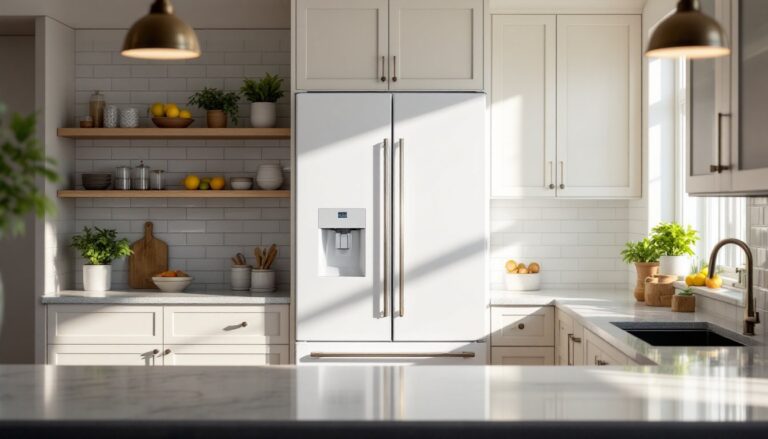
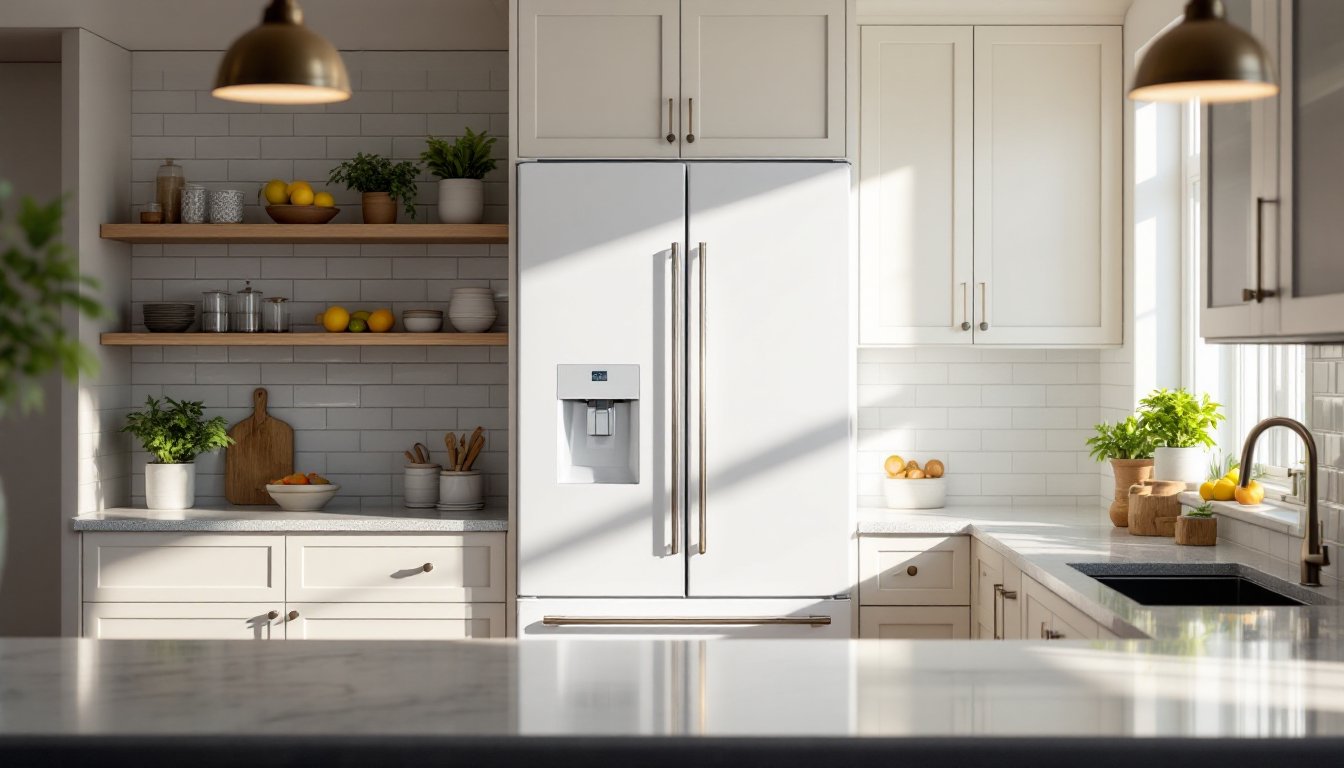
A white side-by-side refrigerator serves as one of the largest visual anchors in your kitchen. White is inherently versatile, it reflects light, making smaller kitchens feel more spacious, and it pairs seamlessly with modern, transitional, or traditional décor. Unlike stainless steel, which can dominate a space visually and show every smudge, white recedes into the background while maintaining a clean, organized appearance.
Finish options have expanded in recent years. Pure white offers classic simplicity, while pearl white or frost white includes subtle texture that hides dust and minor scratches. Some manufacturers offer printable surfaces designed to accept custom images or matte finishes for a softer look.
Door handle style contributes to overall aesthetics more than many homeowners realize. Stainless steel handles contrast pleasantly with white cabinets and appliances, while chrome or matte black handles create a more cohesive, modern appearance. Consider your existing hardware (faucets, cabinet pulls) when evaluating handle finishes.
Prospective buyers often consult design inspiration sources like Remodelisa when envisioning their updated kitchen. A white side-by-side refrigerator aligns with current design trends toward bright, airy kitchens. The appliance’s clean lines and symmetrical design feel contemporary while remaining timeless, an important consideration if you plan to stay in your home for many years.
Installation Tips and Space Considerations
Installation success begins with accurate measurements. Measure your kitchen opening three times, at the top, middle, and bottom of the space. Older homes often have uneven walls, and assuming a uniform dimension leads to fitting problems.
You’ll need clearance space on all sides. Most manufacturers recommend at least 1 to 1.5 inches of clearance on the sides and back. If you’re installing the unit flush against cabinetry, confirm your cabinet contractor knows the appliance’s exact depth, including the door when fully extended. A white side-by-side refrigerator typically runs 32 to 36 inches wide and 65 to 70 inches tall.
Electrical outlet placement matters. The outlet should be positioned to the side or back of the appliance, never directly behind it, where the power cord can’t reach. If you’re renovating, have an electrician install a dedicated outlet (ideally on its own circuit) before the appliance arrives. Plugging a refrigerator into a shared circuit with other appliances risks nuisance breaker trips.
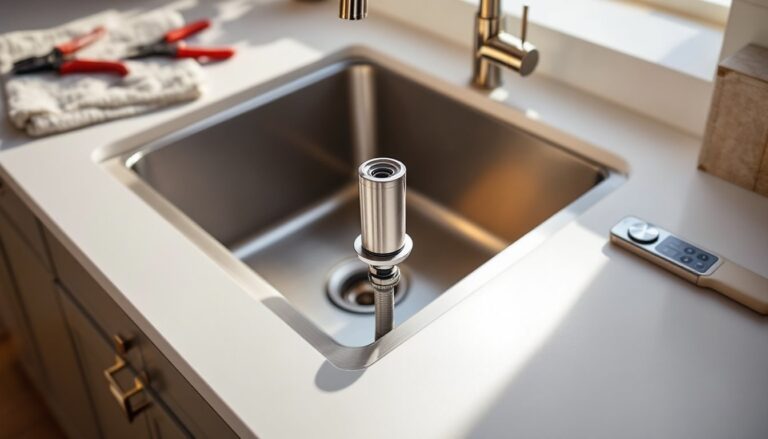
Water line installation for ice makers and dispensers requires careful planning. If cold water supply isn’t readily available behind your refrigerator location, hiring a plumber to run a line is typically more cost-effective than choosing a model without water capabilities. The line should include a shut-off valve and filter for maintenance access.
Delivery crews often handle placement, but confirm they’ll remove packaging materials and position the unit correctly. If moving the refrigerator yourself, use furniture sliders and enlist a helper, these appliances weigh 200 to 300 pounds. Never tip a refrigerator on its side, as this can damage the compressor.
Maintenance and Care for Long-Lasting Performance
Regular maintenance extends your white side-by-side refrigerator’s lifespan and keeps it running efficiently. Condenser coils (located on the back or bottom) collect dust over time, forcing the compressor to work harder. Unplug the unit and vacuum these coils every six to twelve months using a soft brush attachment.
Door seals deserve attention too. A cracked or worn gasket lets cold air escape, spiking energy consumption. Check the seal by closing the door on a dollar bill, if it slides out easily, the gasket needs replacement. Gaskets typically cost $75 to $200, depending on your model, and are easier to replace than you’d expect.
For the white exterior, avoid abrasive cleaners or scouring pads that scratch the finish. A soft cloth with mild soap and water works perfectly for fingerprints and spills. If you’re dealing with stubborn stains, a small amount of rubbing alcohol on the cloth does the job without damaging the surface.
Water filter replacement is critical if your model has an ice maker or dispenser. Most manufacturers recommend changing filters every six months or after filtering 300 gallons, whichever comes first. Using an old filter reduces water quality and can compromise ice taste. Many filters cost $20 to $50 and snap in place in seconds.
Refer to your refrigerator’s manual for specific maintenance guidance. Professional servicing is rarely necessary unless the compressor fails or refrigerant leaks, issues that typically warrant replacement rather than repair on older units. Resources like expert refrigerator reviews from Good Housekeeping offer detailed product comparisons and long-term durability insights that guide maintenance decisions.