
Table of Contents
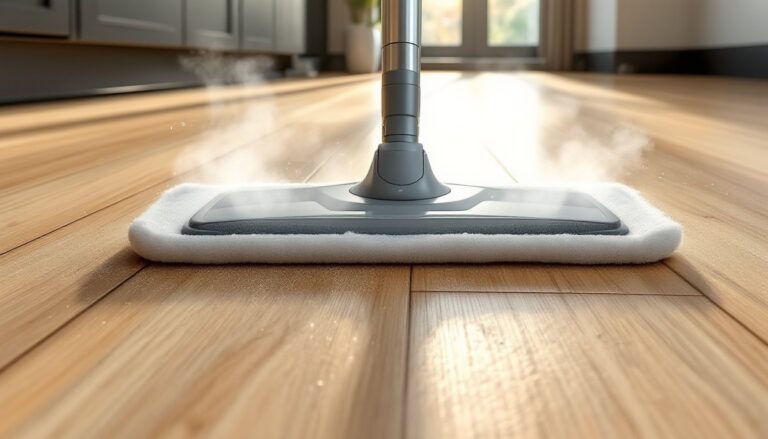
ToggleSteam mops promise spotless floors with minimal effort, but the question isn’t whether you can use one on vinyl plank flooring, it’s whether you should. Vinyl plank flooring, whether luxury vinyl plank (LVP) or vinyl plank flooring (VPF), has become the go-to choice for kitchens and bathrooms because it’s durable, waterproof, and affordable. But that waterproof claim comes with a catch: heat combined with moisture can cause real damage. Before you plug in that steam mop, understand the risks and learn which vinyl options actually hold up to steam, plus safer alternatives that’ll keep your floors looking new for years.
Key Takeaways
- Steam mops can damage standard vinyl plank flooring by softening adhesives and causing seams to separate, as manufacturers explicitly warn against steam cleaning in care instructions.
- WPC and SPC vinyl options with rigid cores are the only candidates for occasional low-temperature steam cleaning (under 150°F), though manufacturers still recommend avoiding steam when possible.
- Safe alternatives like damp mopping with vinyl-safe cleaners, dry microfiber mops, and white vinegar solutions effectively clean vinyl plank flooring without risking delamination or buckling.
- If you must use a steam mop on vinyl plank flooring, keep dwell time minimal, mop parallel to seams, reduce heat below 150°F, and use active airflow and dehumidifiers to prevent moisture absorption.
- Moisture trapped in underlayment is the primary cause of warping and plank failure, making proper drying and seam protection essential to maintaining vinyl plank longevity.
Why Steam Mops and Vinyl Planks Don’t Always Mix
Here’s the physics: steam mops heat water to 200–300°F, creating vapor that penetrates grout lines and cracks. On traditional vinyl plank flooring, that combination of heat and moisture infiltrates the seams and edges where planks meet. Over time, sometimes quickly, the adhesive between planks softens and delaminates. The core layers swell, and the finished surface can separate or buckle.
Most standard LVP consists of a polyvinyl chloride (PVC) wear layer (around 20 mils thick), backing layers, and an adhesive holding it together. The problem? That adhesive wasn’t designed to withstand prolonged heat exposure. Manufacturers explicitly warn against steam cleaning in their care instructions. It’s not paranoia, it’s chemistry. When you ignore that guidance, you’re trading a clean floor today for a warped, peeling one in six months.
Understanding Vinyl Plank Flooring Vulnerabilities
Not all vinyl plank flooring is created equal, and the thickness, core material, and adhesive system determine how vulnerable it is to steam.
Moisture Damage and Seam Separation
Vinyl plank flooring sits on top of an underlayment (usually 1/8″ to 1/4″ foam or cork). Water and steam that seep through the wear layer travel downward into that underlayment, where they get trapped. Unlike tile with a waterproof grout, vinyl plank has seams that aren’t sealed with the same level of protection. The planks are designed to float or click-lock together, which means tiny gaps exist, gaps that steam loves.
When moisture saturates the underlayment, it doesn’t evaporate quickly. It sits there, making the foam expand and contract repeatedly. The adhesive holding the wear layer to the core breaks down. You’ll notice it first as a soft spot under your foot, then a visible peak or cup as the plank warps. Seams separate because the backing material swells unevenly. This damage is rarely covered under warranty because, you guessed it, the manual says not to use a steam mop. Once the planks are ruined, your only option is replacement.
When You Can Safely Use a Steam Mop on Vinyl
The safe answer for most vinyl plank flooring is “don’t.” But there are exceptions.
WPC and SPC Vinyl Options
WPC (wood-plastic composite) and SPC (stone-plastic composite) vinyl are engineered differently than traditional LVP. They contain rigid cores made from limestone, PVC, and other polymers that resist moisture far better than foam-backed alternatives. SPC, especially, is often marketed as “waterproof”, and that’s partially true when it comes to the core itself.
If your vinyl plank is WPC or SPC with a sealed top coat, low-temperature steam (under 150°F) used briefly and sparingly can work without catastrophic failure. The rigid core resists warping better, and the reduced heat matters. But “can” doesn’t mean “should,” and even with these premium options, seams remain vulnerable. Manufacturers of WPC and SPC still recommend avoiding steam when possible. The long-term durability risk isn’t worth the convenience. If your planks are standard LVP with a foam core (the most common type at home centers), steam is off the table. Check your product documentation or the manufacturer’s website, it’ll spell out what’s safe.
Best Cleaning Alternatives for Your Vinyl Flooring
Plenty of methods clean vinyl plank flooring effectively without the risk. In fact, vinyl plank flooring manufacturers recommend these approaches specifically.
Dry methods first: Sweep or vacuum with a soft-brush attachment every few days. Dust and grit cause more long-term wear than moisture if left to accumulate. Use a dry microfiber mop weekly to capture dust and light spills.
Damp mopping: Fill a bucket with warm (not hot) water and a vinyl-safe cleaner. Many manufacturers recommend using their branded product, but a simple mix of water and a few drops of dish soap works fine. Wring out your mop so it’s damp, not dripping, excess water is still your enemy. Mop in the direction of the planks, moving quickly so water doesn’t sit on the seams.
For stubborn spots: Spray diluted white vinegar (equal parts water and vinegar) directly on the stain, let it sit for 30 seconds, and wipe dry with a cloth. For adhesive residue or scuffs, a non-abrasive melamine sponge (magic eraser-type) works without scratching the wear layer.
Vinyl-specific cleaners: Brands designed for luxury vinyl plank are inexpensive and effective. These typically contain surfactants that lift dirt without leaving residue. Use sparingly, oversaturation defeats the purpose. Darker vinyl hides dust better than light colors, but all vinyl benefits from a quick dry-mop after wet cleaning to prevent water spots. Resources like Family Handyman provide detailed vinyl care tutorials if you need visual walkthroughs.
Steps to Protect Your Vinyl if You Choose Steam Cleaning
If you absolutely must use a steam mop on vinyl plank flooring, perhaps you’ve already invested in one and have SPC vinyl, these precautions reduce (but don’t eliminate) damage risk.
1. Confirm your vinyl type. Open a cabinet under the sink or lift a plank edge to see the core. Rigid, dense cores (SPC/WPC) are your only candidates. Squishy foam-backed material? No steam, period.
2. Reduce temperature. Set your steam mop to its lowest heat setting, ideally below 150°F. Some higher-end units allow temperature adjustment: cheaper models run hotter. Hot is the problem, so don’t use full-power settings.
3. Minimize dwell time. Don’t hold the mop head on one spot for more than a second or two. Quick, sweeping motions are safer than the slow, thorough passes you’d use on tile. Speed reduces moisture exposure and heat absorption.
4. Avoid seams aggressively. Run the mop parallel to seams, never perpendicular, and never deliberately target seams where they meet. Seams are where damage starts.
5. Air dry immediately. After steaming, open windows or run ceiling fans to circulate air. Don’t let the floor air-dry passively: active airflow evaporates moisture faster and reduces the time water sits in the underlayment.
6. Use a dehumidifier. In humid climates or post-steam, running a dehumidifier for 4–6 hours keeps moisture levels low. This one habit matters more than you’d think. Research from Hunker on home maintenance confirms that moisture control is the single biggest factor in vinyl longevity.
7. Seal seams (optional backup). For extra protection, vinyl-plank sealant applied to seams before steam cleaning can add a water barrier. It’s tedious and cosmetically visible, but it’s an option if you’re committed to occasional steam cleaning.