
Table of Contents
ToggleA column refrigerator represents a shift away from the all-in-one fridge-freezer combo that’s dominated kitchens for decades. Instead of stacking everything in one box, column refrigerators let you install dedicated refrigeration units side by side, a full-height fridge here, a matching freezer there, giving you control over layout and capacity that traditional models simply can’t match. Whether you’re remodeling a kitchen or building a space from the ground up, understanding what a column refrigerator is and how it fits your needs will help you make a smarter investment. We’ll walk you through design benefits, installation realities, costs, and maintenance so you can decide if this approach makes sense for your home.
Key Takeaways
- A column refrigerator provides modular flexibility by letting you install dedicated full-height refrigeration units side by side, giving you control over layout and capacity that traditional combo models cannot match.
- Column refrigerators eliminate cramped freezer compartments and offer full-width shelving with better visibility, humidity-controlled drawers, and variable temperature zones for optimal food storage.
- Professional installation is essential for column refrigerators and typically costs $2,000–$5,000 when factoring in electrical, plumbing, and cabinetry work, with total unit costs ranging from $3,500–$12,000 depending on configuration and brand.
- Regular maintenance like condenser coil cleaning every 6 months and professional inspections every 2-3 years can extend your column refrigerator’s lifespan to 15-20 years and prevent costly repairs.
- Column refrigerator installations require careful rough-in planning with dedicated 20-amp electrical circuits, proper water lines, and adequate ventilation clearance before cabinetry is installed.
What Is a Column Refrigerator and Why It’s a Game-Changer
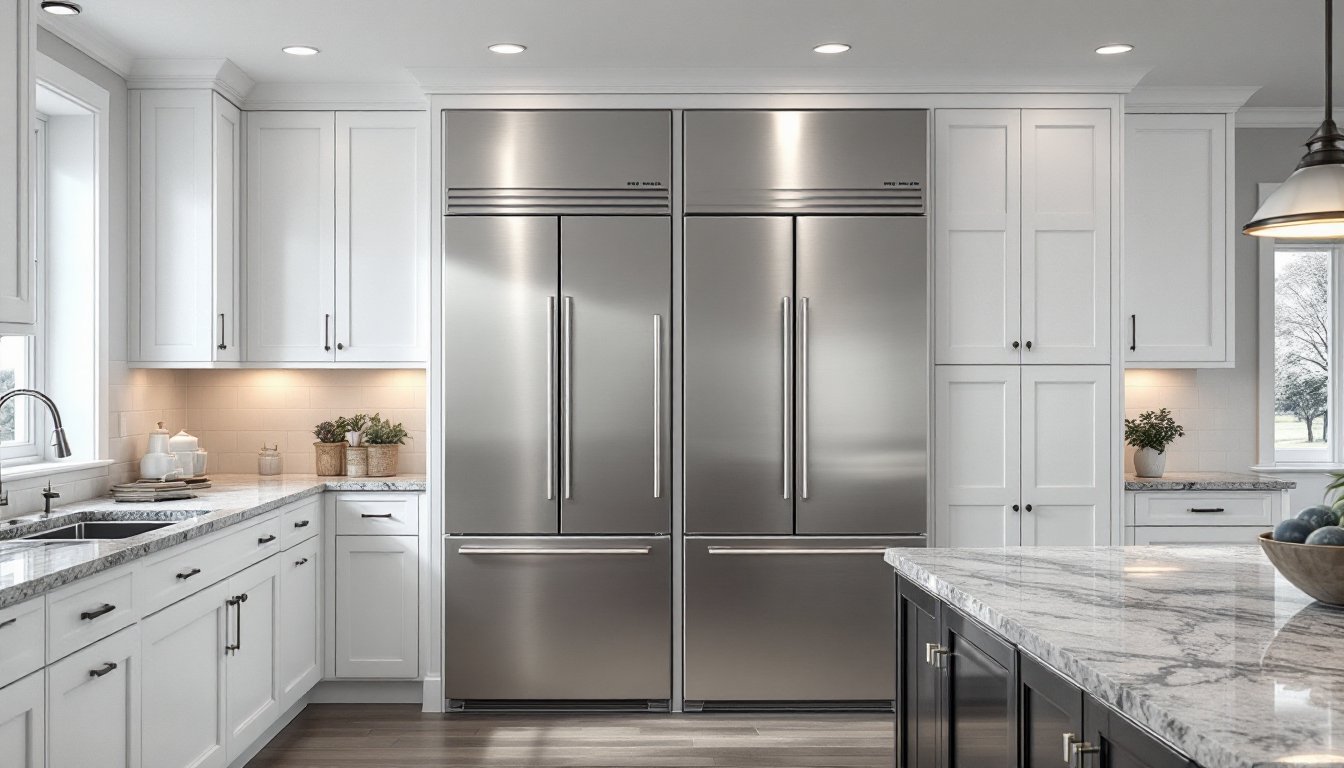
A column refrigerator is a full-height (typically 84 to 90 inches) refrigeration unit designed to fit flush within cabinetry, either as a standalone unit or paired with a matching freezer column. Unlike traditional refrigerators that combine fridge and freezer in one box, column units give you modular flexibility: you can place a refrigerator column on one wall, a column freezer on another, or install them side by side. This design originated in European kitchens and has gained traction in North America as homeowners seek cleaner lines and better organization.
The appeal is practical, not just aesthetic. A full-width refrigerator column eliminates the cramped freezer compartment that forces you to squat and dig. If you have a column refrigerator and freezer set, you get full-height shelving in both units, meaning better visibility and access to everything from fresh produce to frozen vegetables. You’re also not forced to choose between a massive fresh-food section and adequate freezer space, you can size each according to your household’s actual needs.
Key Features and Design Benefits You Should Know
Column refrigerators come packed with features that reflect their premium positioning. Most offer variable temperature zones (some sections can be set to 37°F for fresh food, others to 0°F for frozen), humidity-controlled drawers that keep vegetables crisp longer, and soft-close doors that prevent slamming and reduce noise. Interior finishes range from stainless steel to panel-ready (meaning you can attach custom cabinet panels to match your cabinetry).
From a design standpoint, column units create a seamless, built-in look. They’re typically 24 to 36 inches wide, so a refrigerator and freezer pair fits comfortably in standard cabinetry without dominating the wall. Experts have noted that column refrigerators perform well on cooling efficiency and noise levels, making them practical beyond their aesthetic appeal.
Customizable Layout and Modular Components
One of the biggest advantages is that you’re not locked into a single configuration. You can install a refrigerator column and freezer column side by side, stack them vertically (less common but possible in some designs), or space them apart in different kitchen zones. Some manufacturers offer complementary units like beverage coolers or wine columns, so your layout can grow with your needs.
This modularity also means repairs are simpler. If the refrigerator compressor fails, you replace that unit: the freezer stays operational. Compare that to a traditional fridge-freezer where one broken component can sideline your entire system. You also have flexibility when upgrading: want to add a beverage center later? You’re not forced into a complete replacement.
Installation and Space Planning Essentials
Installing a column refrigerator isn’t a weekend DIY job, it requires careful planning and usually professional help, especially if you’re integrating utilities and cabinetry. Here’s what you need to know upfront.
Rough-in Requirements: Column refrigerators need dedicated electrical circuits (typically a 20-amp circuit for each unit) and water lines if you want ice/water dispensers. These must be roughed in before cabinetry is installed. If your kitchen doesn’t have power or water in the right spot, running new circuits or lines can add significant cost and complexity. Some jurisdictions require a licensed electrician to handle 240-volt connections or new circuit work: check your local code before planning.
Clearance and Ventilation: Unlike under-counter units, column refrigerators need airspace around them for heat dissipation. Most manufacturers specify at least 1/2-inch clearance on sides and back, and 2-3 inches above. If you’re installing adjacent to cabinetry, measure twice and confirm the appliance specs before ordering custom panels.
Cabinet Integration: Column units are designed to sit within a 24-inch-deep cabinet opening, meaning they’re shallower than traditional refrigerators and align flush with your countertops. This seamless look requires that your cabinet framing be square and level. Any deviation throws off door alignment and seals. A laser level is your friend here.
Professional Installation: Most manufacturers strongly recommend (or require, to preserve warranty) that installation be done by an authorized dealer or licensed installer. This isn’t just upselling, column units are expensive ($4,000–$8,000+) and integrating them properly involves electrical, plumbing, and cabinetry coordination. Budget for professional help and don’t skip it.
Cost Considerations and Long-Term Value
Let’s talk money. A single column refrigerator runs $3,500–$6,000, and a matched refrigerator and freezer pair can hit $8,000–$12,000 or more depending on the brand and features. That’s roughly 2-3 times the cost of a traditional top-freezer or French-door refrigerator.
Before sticker shock sets in, consider total cost of ownership. A quality column unit should last 15-20 years with proper maintenance. Installation, electrical, plumbing, cabinetry, typically costs $2,000–$5,000 depending on your kitchen’s existing infrastructure. If you’re already remodeling your kitchen, spreading those labor costs across an entire project makes the per-appliance cost less painful.
Energy efficiency matters too. Column refrigerators often carry ENERGY STAR certification, meaning they use 10-15% less energy than standard models. Over a decade, that difference can add up to $500–$1,000 in utility savings. Not a huge number, but it factors into the equation.
One often-overlooked benefit: resale value. A professionally installed, high-end kitchen with integrated column refrigeration signals quality and attention to detail. It won’t recover 100% of your investment, but it can improve buyer perception in the premium home market.
Maintenance Tips to Keep Your Unit Running Smoothly
Column refrigerators are built tough, but they need care to perform well. Here’s what homeowners should know.
Condenser Cleaning: The condenser coils (usually on the back or bottom) collect dust and pet hair. Every 6 months, unplug the unit, vacuum the coils with a brush attachment, and wipe down the area. A clogged condenser forces the compressor to work harder and shortens the unit’s lifespan. This is one of the most common maintenance oversights and one of the easiest to prevent.
Door Seals and Gaskets: Check that door seals are clean and intact. A failing gasket lets cold air escape, forcing the compressor to run constantly. Clean gaskets quarterly with warm soapy water and dry thoroughly. If a seal is torn or won’t close tightly, contact a technician, replacement gaskets cost $100–$300 and extend your unit’s life.
Temperature Monitoring: Use a simple refrigerator thermometer (around $5) to check that your fridge stays at 37–40°F and your freezer at 0°F or below. Most modern units maintain this automatically, but seasonal temperature swings or thermostat drift can throw things off. Adjust settings gradually and check after 24 hours.
Professional Service: Schedule a professional inspection every 2-3 years, especially after year 5. Technicians can check refrigerant levels, test the compressor, and catch small issues before they become expensive failures. This preventive approach typically costs $100–$300 per visit but can save thousands in emergency repairs.
Water Line Maintenance: If your column refrigerator includes an ice maker or water dispenser, periodically flush the water line with a mild bleach solution (follow the manufacturer’s instructions). Mineral buildup and bacteria can degrade water quality and ice flavor.
Conclusion
Column refrigerators aren’t for every kitchen or budget, but for homeowners building or remodeling with a focus on design and functionality, they deliver real value. The modular layout, clean aesthetics, and superior organization justify the premium cost, especially when paired with professional installation and a commitment to maintenance. Start by assessing your kitchen’s infrastructure, getting honest quotes from installers, and comparing your actual refrigeration needs. Resources like The Kitchn offer design inspiration and reviews that can help ground your decision in real-world usage.