
Table of Contents
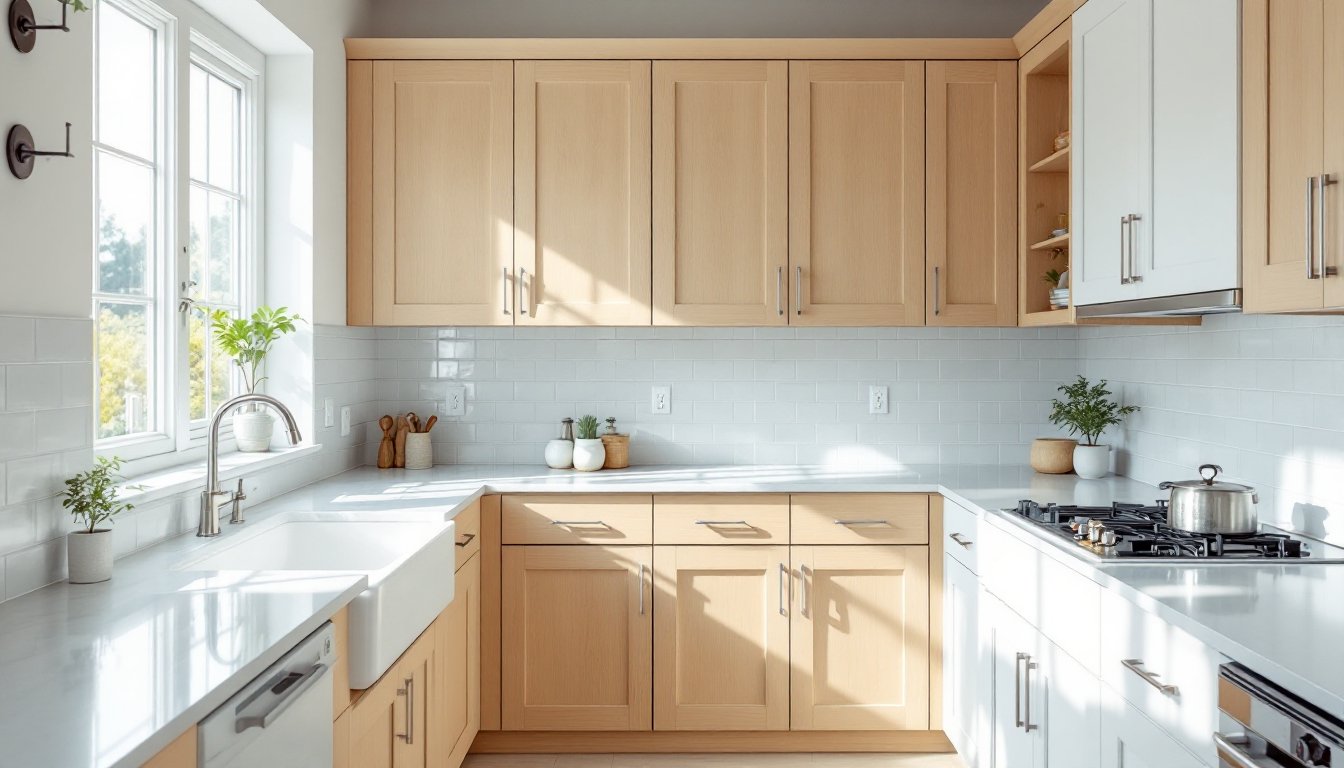
ToggleBirch wood kitchen cabinets offer homeowners an attractive middle ground between budget-friendly particle board and premium hardwoods like cherry or maple. The wood’s fine, uniform grain and light natural color work well in modern, transitional, and traditional kitchens. Whether you’re replacing dated cabinets or planning a full kitchen overhaul, understanding birch’s properties, installation requirements, and maintenance needs helps ensure a smart investment. This guide walks through what makes birch wood ideal for kitchen cabinets, design options, durability, cost, and practical installation steps.
Key Takeaways
- Birch kitchen cabinets offer an ideal balance between affordability and durability, costing 20–30% less than premium hardwoods like cherry or maple while resisting warping better than softwoods.
- Birch wood’s fine, uniform grain and neutral tone work seamlessly with modern, traditional, and Shaker-style kitchen designs, making it versatile for various aesthetic preferences.
- Proper finishing with polyurethane or lacquer and preventive maintenance—including quick spill cleanup and good ventilation—enables birch cabinets to last 15–20 years or longer without refinishing.
- Stock birch cabinets start at $4,000–$8,000 for small to mid-sized kitchens, while semi-custom options range $8,000–$15,000, making them budget-friendly compared to premium alternatives.
- DIY installation of birch kitchen cabinets requires precision tools, level positioning, stud location, and careful shim placement; professional installation is recommended for older homes or complex layouts.
Why Birch Wood Is Ideal for Kitchen Cabinets
Birch is a hardwood that strikes a practical balance in kitchen environments. It’s harder and more durable than softwoods like pine, yet costs less than premium hardwoods. The wood takes stain and paint finishes evenly because of its consistent, fine grain structure, no blotchy or uneven color absorption like you’d see with pine.
Kitchen cabinets face moisture, heat, and daily wear. Birch wood resists warping better than softer woods and holds joinery tight over years of door opening and closing. It also machines cleanly, meaning cabinet makers can produce crisp edges, precision joints, and detailed profiles without the tear-out problems common with softer species. The wood’s neutral tone pairs well with most kitchen aesthetics, from Scandinavian minimalism to farmhouse designs.
One trade-off: birch isn’t as rot-resistant as teak or white oak. In very humid kitchens or near dishwashers without proper ventilation, the wood can swell. Proper finishing (primer and topcoat) seals the wood and prevents moisture infiltration. Birch kitchen cabinets also won’t develop the rich patina of darker woods over time, the color stays relatively consistent, which some homeowners prefer for uniformity in design.
Birch Cabinet Styles and Finishes
Modern and Contemporary Designs
Birch wood’s light, clean appearance makes it a go-to for modern kitchens. A natural or light blonde finish showcases the wood’s grain without heavy staining, fitting sleek, minimalist aesthetics. Cabinet doors with flat panels or slab profiles (no raised edges) pair seamlessly with birch. Hardware choices matter here: stainless steel or matte black handles underscore the contemporary feel.
Two-tone or gradient layouts, darker birch on base cabinets, lighter on uppers, or vice versa, add visual interest without clashing. White or light gray paint over birch plywood substrate also works, though solid birch stained light tends to feel more authentic in modern spaces.
Traditional and Shaker-Style Options
Birch’s neutral tone works just as well in traditional kitchens. Shaker-style doors, characterized by a frame-and-panel construction with a flat center panel, are timeless. Staining birch a medium to darker honey or amber tone suits farmhouse, cottage, or classic colonial aesthetics.
Raised-panel doors with beaded edges add detail without looking fussy. Paint finishes, cream, soft white, or pale green, are also popular for traditional birch cabinets. Houzz for homeowners offers design inspiration for every style, helping you visualize how birch performs in real kitchens before committing to a finish.
Durability and Maintenance Considerations
Birch kitchen cabinets, when properly finished and maintained, last 15–20 years or longer before refinishing becomes necessary. The finish itself, polyurethane, conversion varnish, or lacquer, bears most of the wear. Quality finishes resist scratches, moisture absorption, and UV fading better than budget alternatives.
Daily maintenance is straightforward: wipe cabinet fronts with a soft, slightly damp cloth and mild soap. Avoid harsh chemicals or scouring pads that dull the finish. Spills inside cabinets near the sink should be cleaned quickly: standing water is the enemy. Ensure proper ventilation around the range, steam and grease accelerate finish degradation.
Birch is softer than oak or maple, so dents from dropped utensils or heavy pots are more likely. Touch-up stain and clear coat can blend minor damage, but deep gouges may require a cabinet maker’s repair. The wood itself won’t rot if kept dry, but edge-banding (veneer tape applied to raw edges) can peel if moisture seeps in. Check cabinet corners and under-sink areas yearly for signs of swelling or separation, especially in humid climates.
Cost Comparison and Budget Planning
Birch kitchen cabinet pricing varies by construction method, finish, and whether you purchase semi-custom or stock units. Stock birch cabinets run $4,000–$8,000 for a small to mid-sized kitchen: semi-custom ranges from $8,000–$15,000: full custom (built to your exact specs) can exceed $20,000. These are rough estimates, regional labor, material availability, and market conditions shift prices significantly.
Birch typically costs 20–30% less than cherry or maple but more than painted particle board or thermofoil options. If budget is tight, painted birch plywood cabinets cost less than solid birch frames. You get durability and a finished look at a lower price point. Paint also hides grain inconsistencies if uniformity matters for your design.
When comparing quotes, ask whether the price includes installation, hardware, and finishing. Some builders charge separately for each. Factor in backsplash, countertop, and hardware upgrades when setting your budget. A basic birch cabinet install with simple handles might run $5,000: add a custom backsplash, soft-close hinges, and a built-in pantry, and you’re looking at $12,000+. Get three quotes and compare scope carefully.
Installation Tips and DIY Considerations
Installing birch kitchen cabinets is achievable for experienced DIYers but demands precision. Cabinets must sit level and plumb (perfectly vertical), or doors won’t close properly and hinges will strain.
Materials and tools you’ll need:
- Stud finder
- Level (24–48 inch is ideal)
- Shims (wood wedges for gap-filling)
- 2.5-inch wood screws (into wall studs)
- Drill-driver and impact driver
- Tape measure and pencil
- Cabinet spacers or temporary supports
- Caulk and paintable silicone (for gaps)
Step-by-step basics:
- Locate and mark wall studs using a stud finder. Cabinets must be screwed directly into studs: drywall alone won’t support the weight.
- Find the highest point of your base cabinets on the floor and snap a chalk line at 34.5 inches (standard counter height). Use shims to level cabinets to this line.
- Start at a corner or peninsula and work outward, installing one cabinet at a time. Use temporary supports (braces) underneath to prevent tipping while securing to walls.
- Join adjacent cabinets with pocket-hole screws or bolts before securing to the wall. This creates a unified structure and distributes weight.
- Check level and plumb after every cabinet or pair. Small gaps now compound when you add doors and hardware.
- Drill hinge holes and install doors only after all cabinets are secured and level.
DIY reality check: If your walls aren’t straight or studs are more than 16 inches apart, installation gets complex fast. Free DIY plans and tutorials on Ana White show step-by-step builds: those assume straightforward conditions. Kitchen cabinets in older homes with settled framing, sloped floors, or quirky layouts often benefit from a professional installer’s experience. Expect 1–2 days for a kitchen’s worth of base and wall cabinets if you’re experienced: double it if this is your first major project.
Do not skip the finish or hardware installation. A cabinet with gaps that aren’t caulked will trap dust and develop seams that look sloppy. Soft-close hinges and drawer slides cost more but dramatically improve perceived quality and longevity.