
Table of Contents
ToggleIf you’re renovating a kitchen or upgrading your food storage, a commercial refrigerator-freezer combo might seem like overkill for a home setting, but it’s becoming an increasingly popular choice for serious home cooks and those who store bulk groceries. These units combine refrigeration and freezing capacity in one cabinet, maximizing space efficiency while delivering the durability you’d find in a professional kitchen. Whether you’re working with a compact galley or a sprawling chef’s kitchen, understanding how to choose the right commercial refrigerator and freezer combo will help you make an informed investment that fits your space, budget, and actual food storage needs.
Key Takeaways
- A commercial refrigerator-freezer combo combines durable construction and precise temperature control (35–38°F fridge, 0°F+ freezer) making it ideal for serious home cooks and bulk food storage.
- Proper space planning is essential: measure your kitchen dimensions, ensure 3–6 inches of clearance for ventilation, and confirm your floor can support 300–600+ pounds to prevent compressor strain and door misalignment.
- Electrical installation requires a dedicated 15–20 amp circuit and licensed professional work, typically costing $300–800, so budget accordingly and never attempt DIY wiring for these commercial units.
- Regular maintenance—including monthly shelf cleaning, quarterly gasket inspections, and bi-annual coil vacuuming—extends the lifespan of your unit and prevents costly repairs.
- Mid-range commercial refrigerator-freezer combo models ($2,000–$3,500) offer the best value for homeowners, combining digital controls and reliability without premium pricing of high-end units.
- Shop at restaurant supply retailers and certified refurbished dealers to save 30–40%, and negotiate for package deals that bundle electrical work and delivery for additional savings.
Understanding Commercial Refrigerator-Freezer Combo Units
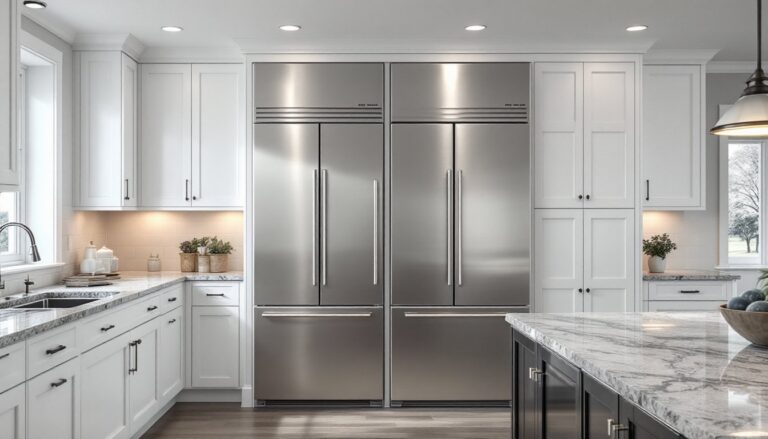
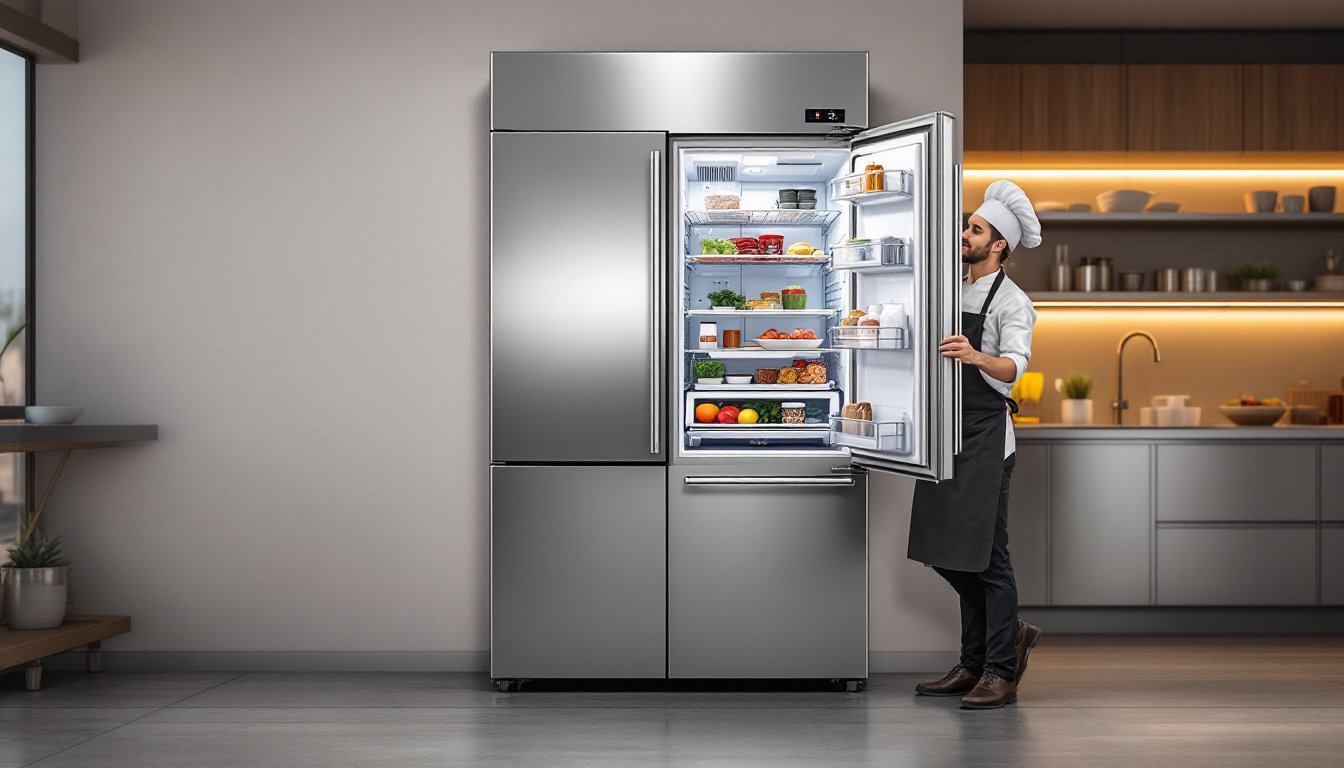
A commercial refrigerator-freezer combo is a single cabinet with separate compartments for chilled storage and freezing, designed to meet high-volume usage demands. Unlike standard residential models, these units have reinforced frames, heavy-duty compressors, and stainless steel construction built to withstand constant opening and closing.
The key difference lies in durability and temperature precision. Commercial models maintain tighter temperature control, typically holding 35–38°F in the fridge section and 0°F or below in the freezer, with minimal fluctuation. They’re engineered for professional kitchens but work just as well at home if you have the electrical capacity and space. Most come in depths of 28–32 inches (nominal), heights of 65–84 inches, and widths ranging from 27 to 60 inches, so they’ll require proper planning before installation.
The stainless steel exterior resists corrosion and fingerprints, making cleaning straightforward. Internal shelving is adjustable and designed for easy access, so you’re not hunting through the back corners of a packed fridge. If you love to cook, preserve seasonal produce, or buy in bulk, this equipment pays dividends in organization and reliable storage.
Key Features and Specifications to Evaluate
When evaluating a commercial refrigerator-freezer combo, focus on cubic capacity, temperature control, shelving, and energy efficiency.
Capacity and Layout: Measure your actual space (height, width, and depth) before shopping. Many units advertise total cubic feet, but the split between fridge and freezer varies. A 50/50 split works well for balanced cooking and long-term storage, while a 60/40 split (more fridge) suits those who prep fresh ingredients daily. Confirm the interior dimensions match your planned install location: accounts for door swing and ventilation clearance behind the unit.
Shelving and Organization: Adjustable wire shelves are standard and allow flexibility. Some commercial models include slide-out drawers for produce or deli items. Look for removable bins or baskets, they save you time cleaning and organizing. If you freeze large trays or sheet pans, measure the shelf width and depth to ensure fit.
Temperature Controls: Digital thermostats with an external display let you monitor temps without opening the door, reducing energy waste. Separate controls for fridge and freezer sections mean you’re not compromising one for the other. Check if the unit has an alarm that alerts you to temperature drift, essential if a power interruption occurs.
Condenser Location: Air-cooled condensers (standard in most commercial models) need 3–6 inches of clearance on all sides for airflow. If space is tight, ask about remote condenser options, which mount the cooling unit outside the cabinet. This sounds complicated, but French door refrigerator models and combo units increasingly offer this flexibility to fit modern kitchens.
Energy Rating: Look for ENERGY STAR certified units if available. Older commercial equipment can be power-hungry, and a high-efficiency model will reduce your electrical bill over time. Compare wattage ratings and annual kWh estimates before deciding.
Installation and Space Planning Considerations
Installing a commercial refrigerator-freezer combo is not a plug-and-play job. You’ll need to plan for electrical, ventilation, and structural support.
Electrical Requirements: Most commercial units draw 15–20 amps and require a dedicated 120V circuit (some larger models need 208V or 240V). If your kitchen’s current panel doesn’t have capacity, you’ll need an electrician to run new wiring. This isn’t a weekend DIY task, it requires a licensed professional in most jurisdictions. Budget $300–800 for electrical work, depending on distance from the panel and local labor costs.
Clearance and Ventilation: Leave at least 3–6 inches of space behind and on sides for air circulation. Poor ventilation causes the compressor to overheat and reduces efficiency. If the unit sits flush against a wall, ask about rear-mounted condenser systems that allow tighter fit. Ensure floor is level: shimming feet prevents vibration and noise.
Flooring and Weight: These units weigh 300–600+ pounds depending on size. Vinyl, laminate, and thin tile can flex under the load, causing door misalignment and compressor strain. Concrete, solid hardwood, or reinforced subfloors are ideal. If you’re unsure about your floor’s strength, consult a contractor before installing.
Water Line (if applicable): Some models include an ice maker or water dispenser, requiring a dedicated water line and drain. This adds complexity and cost but adds convenience if you frequently use ice or filtered water.
Maintenance and Care Best Practices
Commercial refrigerator-freezer combos are built tough, but they demand regular maintenance to stay reliable.
Cleaning Schedule: Wipe the exterior with a microfiber cloth weekly. For fingerprints and grime, use a stainless steel cleaner (avoid abrasive pads that scratch). Empty and hand-wash interior shelves monthly. Condenser coils, located either on the back or side, collect dust and reduce efficiency, vacuum or brush them every 3–6 months depending on kitchen environment.
Seal Inspection: Check door gaskets (the rubber seal around the door frame) quarterly. If they’re cracked, loose, or not sealing properly, cold air leaks out and efficiency drops. A simple test: close a dollar bill in the door and try to pull it out. If it slides out easily, the seal is compromised and should be replaced. Gasket kits cost $50–150 and take 30 minutes to swap.
Temperature Monitoring: Track fridge and freezer temps weekly with a thermometer. Unexpected spikes suggest compressor trouble or a blocked vent. Keep a log: patterns help you (or a repair tech) diagnose problems early.
Professional Service: Schedule annual maintenance with a refrigeration technician. They’ll check refrigerant levels, test electrical connections, and inspect the compressor. At $150–250 per visit, it’s cheaper than emergency repairs and extends the unit’s lifespan by years.
Defrosting (if manual): Some models require manual defrosting. Plan to do this quarterly: it’s tedious but necessary. Frost buildup reduces cooling efficiency and takes up storage space.
Budget-Friendly Options Without Compromising Quality
Commercial refrigerator-freezer combos range from $1,500 to $5,000+, depending on size and features. You don’t need the most expensive model to get reliability.
Entry-Level Models (under $2,000): These offer solid construction and temperature control but may lack digital displays or separate thermostats. They work well for home use if you’re patient with manual adjustments. Look for name brands with good parts availability and warranty coverage.
Mid-Range Options ($2,000–$3,500): This bracket hits the sweet spot for most homeowners. You’ll get digital controls, reliable compressors, better insulation, and manufacturer support. Warranty coverage typically extends 1–3 years on parts and labor.
Shopping Tips: Check restaurant supply retailers, they often stock commercial equipment at lower markups than appliance showrooms. Online suppliers like WebstaurantStore offer competitive pricing and fast shipping. Always compare warranties and ask about extended coverage: it’s inexpensive and covers costly repairs.
Refurbished Units: Certified refurbished commercial models cost 30–40% less than new. Buy from reputable dealers with a 1-year warranty: avoid private sales without service history. Design inspiration and real-world solutions come from kitchen design communities, where homeowners share their equipment choices and long-term experience.
Negotiation: If buying from a local dealer, ask about showroom models or floor samples. You can often get significant discounts and avoid waiting for shipping. Bundle installations (electrical + delivery) for package deals.
Conclusion
A commercial refrigerator-freezer combo is a serious investment, but it transforms how you store and access food. Size your space accurately, plan for electrical and ventilation needs, and commit to routine maintenance. Whether you’re stocking seasonal bulk buys or supporting a serious cooking hobby, the right unit pays for itself through reliability and years of trouble-free service. Get professional help with electrical work, don’t skip the prep, and you’ll have a workhorse that outlasts most residential appliances.