Table of Contents
ToggleLearning how to kitchens work best starts with understanding what makes a space functional. A well-designed kitchen saves time, reduces stress, and makes cooking enjoyable. Whether someone is renovating an existing space or building from scratch, the principles remain the same.
The kitchen serves as the heart of most homes. Families gather there. Meals get prepared. Conversations happen over coffee. Getting the design right matters more than most people realize. This guide covers layout planning, appliance selection, storage solutions, material choices, and budget-friendly improvements. Each section offers practical advice that anyone can apply.
Key Takeaways
- A well-designed kitchen layout using the work triangle (sink, stove, refrigerator) maximizes efficiency and reduces prep time.
- Choose energy-efficient appliances with ENERGY STAR ratings to save money and match your household’s actual needs.
- Smart storage solutions like pull-out drawers, lazy Susans, and zone-based organization keep everything accessible without clutter.
- Select durable materials like quartz countertops and porcelain tile flooring that can withstand daily kitchen wear and moisture.
- Budget-friendly improvements such as painting cabinets, swapping hardware, or upgrading lighting can dramatically transform your kitchen without a full renovation.
- Maintain at least 42 inches of clearance between counters to ensure comfortable movement in busy kitchens.
Planning Your Kitchen Layout
A good kitchen layout determines how efficiently the space functions. The classic “work triangle” connects the sink, stove, and refrigerator. These three points form the foundation of kitchen activity. Keeping them close, but not cramped, speeds up meal prep and cleanup.
Several standard layouts exist. The galley kitchen features two parallel counters and works well in narrow spaces. L-shaped kitchens fit into corners and provide ample counter space. U-shaped designs wrap around three walls and offer maximum storage. Island layouts add a central workspace that doubles as a social hub.
Before choosing a layout, measure the available space carefully. Note where windows, doors, and electrical outlets sit. Consider traffic patterns too. People shouldn’t walk through the work triangle constantly.
Think about how the kitchen gets used daily. A family that cooks together needs more prep space. Someone who entertains often might prioritize seating. A home baker requires extra counter room for rolling dough. These habits should shape the layout decisions.
Clearing at least 42 inches between counters allows two people to pass comfortably. Islands need 36 inches of clearance on all sides. These measurements prevent the kitchen from feeling cramped during busy moments.
Choosing the Right Appliances and Fixtures
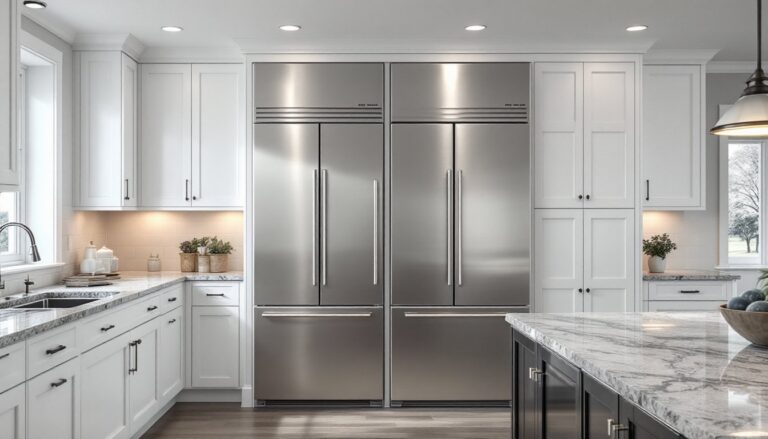
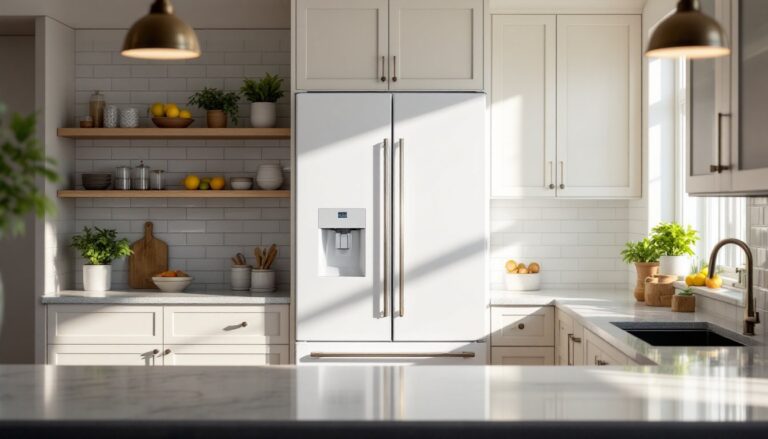
Appliances anchor the kitchen’s functionality. Start with the essentials: refrigerator, range or cooktop, and dishwasher. Size matters here. A small household doesn’t need a 36-inch refrigerator. A large family probably does.
Energy efficiency saves money over time. Look for ENERGY STAR ratings on major appliances. A high-efficiency dishwasher uses less water than hand-washing dishes. Modern refrigerators consume far less electricity than models from 10 years ago.
Ventilation often gets overlooked. A range hood removes smoke, steam, and cooking odors. It also protects cabinets from grease buildup. Choose a hood rated for the stove’s BTU output.
Fixtures include faucets, sinks, and lighting. A deep single-basin sink handles large pots better than a shallow divided sink. Pull-down faucets make filling tall containers easier. Under-cabinet lighting illuminates workspaces without casting shadows.
Consider lifestyle when selecting features. Induction cooktops heat faster and cool quickly, great for families with young children. Convection ovens cook more evenly. Built-in microwaves save counter space.
Don’t forget smaller appliances. Designate spots for the coffee maker, toaster, and stand mixer. Built-in charging stations keep devices accessible. Planning these details during the design phase prevents clutter later.
Maximizing Storage and Organization
Storage makes or breaks a kitchen’s usability. Smart organization keeps everything accessible without visual clutter. The goal: reach any item within seconds.
Cabinet design has evolved dramatically. Pull-out drawers work better than traditional shelving. Deep drawers hold pots and pans more efficiently than base cabinets with fixed shelves. Corner cabinets with lazy Susans use otherwise wasted space.
Vertical storage expands capacity. Install hooks under upper cabinets for mugs. Mount a magnetic strip for knives. Use the insides of cabinet doors for spice racks or cutting board storage.
Pantry organization requires zones. Group baking supplies together. Keep breakfast items in one area. Store snacks where kids can reach them safely. Clear containers show contents at a glance and keep dry goods fresh.
The “zone” approach applies to the entire kitchen. Store glasses near the dishwasher. Keep cooking utensils beside the stove. Place food storage containers near the refrigerator. This logical arrangement reduces unnecessary steps.
Drawer dividers tame utensil chaos. Separate cooking tools from serving pieces. Give knives their own section. Dedicate a drawer to food wrap, foil, and bags.
Open shelving works for frequently used items like plates and bowls. It adds visual interest but requires keeping things tidy. Reserve it for items that look good on display.
Selecting Materials and Finishes
Materials affect both appearance and durability. Kitchens endure heavy use, so surfaces must withstand heat, moisture, spills, and daily wear.
Countertops present many options. Granite remains popular for its durability and unique patterns. Quartz offers similar hardness with more consistent coloring and requires no sealing. Butcher block adds warmth but needs regular maintenance. Laminate provides affordability without sacrificing style.
Cabinet materials range from solid wood to medium-density fiberboard (MDF). Solid wood costs more but lasts longer. MDF accepts paint well and resists warping. Thermofoil wraps MDF in vinyl for easy cleaning.
Flooring must handle dropped items, spills, and constant foot traffic. Porcelain tile offers durability and water resistance. Luxury vinyl plank mimics wood’s appearance at lower cost and softer feel. Hardwood adds value but shows wear over time.
Backsplashes protect walls behind the sink and stove. Ceramic tile cleans easily and comes in countless designs. Glass tiles reflect light and create depth. Natural stone adds texture but requires sealing.
Finishes tie everything together. Hardware, cabinet pulls and knobs, should complement appliance finishes. Mixing metals works when done intentionally. Brushed nickel and matte black pair well together, for instance.
Consider maintenance requirements honestly. Beautiful marble stains easily. High-gloss cabinets show fingerprints. Someone who dislikes cleaning should choose forgiving materials.
Budget-Friendly Kitchen Improvement Tips
Full kitchen renovations cost tens of thousands of dollars. But significant improvements don’t always require major investment. Smart upgrades deliver big impact at modest cost.
Paint transforms a kitchen faster than almost anything else. Fresh white cabinets brighten a dark space. A bold accent wall adds personality. Even painting outdated appliances with appliance-specific paint updates their look.
Hardware swaps take an afternoon. New pulls and knobs modernize dated cabinets instantly. This one change costs under $200 for most kitchens and requires only a screwdriver.
Lighting upgrades make dramatic differences. Replace a single ceiling fixture with recessed lights. Add LED strips under cabinets. Install a statement pendant over an island. Better lighting makes every other element look better.
Open shelving replaces expensive upper cabinets. Remove doors from existing cabinets for a similar effect at zero cost. This works best with organized, coordinated dishware.
Peel-and-stick backsplash tiles offer temporary upgrades. They install easily and remove cleanly, perfect for renters. Quality products look surprisingly convincing.
Refacing cabinets costs far less than replacement. New doors and drawer fronts on existing boxes save thousands. The structure stays: only the visible parts change.
Focus spending on high-impact areas. Quality faucets and countertops get noticed. Nobody examines cabinet interiors closely. Prioritize what people actually see and touch.