
Table of Contents
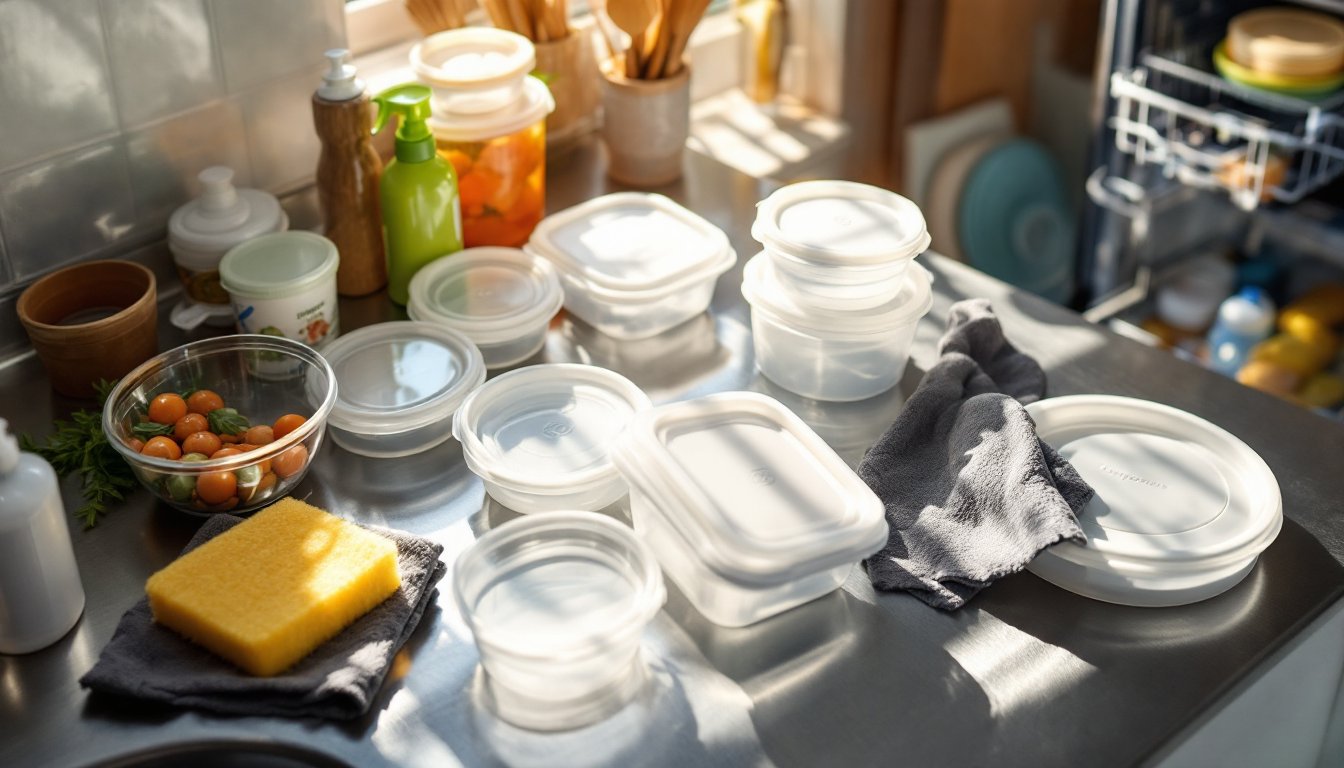
ToggleYou’ve got a stack of Tupperware containers after meal prep, and the dishwasher’s calling your name. But before you toss them in, you’re wondering: is Tupperware actually dishwasher safe? The answer isn’t a simple yes or no, it depends on the specific product, material, and how you care for it. Most modern Tupperware products are designed to handle dishwasher temperatures and cycles, but not all of them are created equal. Understanding which containers can take the heat and which ones need hand washing will help you make the right choice and keep your storage solutions in good shape for years. Let’s walk through what you actually need to check and how to care for your containers properly.
Key Takeaways
- Most modern Tupperware is dishwasher safe, but you must verify the dishwasher-safe label on the bottom or side of each container before washing.
- Tupperware lids are often hand-wash only even when containers are dishwasher safe, making them the weakest link in heat durability.
- Place Tupperware on the top rack away from heating elements and use gentle cycles at lower temperatures to prevent plastic degradation and seal breakdown.
- Older Tupperware products, colored containers, and specialty items like microwave steamers should be hand washed to preserve appearance and function.
- Hand washing with warm soapy water and a soft sponge extends the lifespan of your Tupperware and is just 90 seconds longer than loading a dishwasher.
Understanding Tupperware Dishwasher Safety
Not every Tupperware container is built the same way, and that matters when you’re deciding whether to run it through the dishwasher. The company manufactures a huge range of products, from basic storage containers to specialized microwave steamers and lunch systems, and each one has different durability thresholds.
The main concern with dishwasher washing comes down to plastic composition and design. Most Tupperware containers are made from polypropylene (PP) or other food-grade plastics that can withstand dishwasher temperatures (typically 130–170°F). But, the lids, especially those with rubber seals or silicone gaskets, are often the weakest link. Repeated heat exposure can degrade seals and cause warping, which leads to containers that won’t seal properly when you need them to.
Manufactured products also vary in design. Thin-walled containers or those with intricate locking mechanisms may not hold up as well to the spray jets and heat cycles of a dishwasher compared to reinforced, simpler designs. Also, any container with decorative appliqués, glued-on handles, or complex closures may be more prone to damage.
Tupperware has updated its product line over the years to include more dishwasher-safe options, but older containers, especially those from decades past, may not be labeled for dishwasher use. Even if they could technically survive the process, the company’s recommendation matters when it comes to warranty and longevity. Check your product documentation or reach out directly to Tupperware if you’re uncertain about a specific item.
How to Check If Your Tupperware Is Dishwasher Safe
Before you load that container into your dishwasher, take 30 seconds to verify it’s actually safe to do so. The information is right there, you just need to know where to look.
Identifying Dishwasher-Safe Labels
The easiest way to confirm dishwasher safety is to look for a dishwasher-safe symbol on your Tupperware. This typically appears as a plate with water droplets or a simple dishwasher icon, usually printed on the bottom or side of the container. Some Tupperware products also display text that explicitly states “dishwasher safe” in English or multiple languages.
The label is usually printed in black or dark ink and won’t rub off under normal handling, though repeated dishwashing can fade it over time. If you see this symbol, you’re good to go, the manufacturer has tested that product and confirmed it can handle the dishwasher cycle without degradation.
Not all Tupperware has this label. Older products, specialty items, or certain lid types may lack it entirely. If there’s no label at all, don’t assume it’s safe. The absence of a dishwasher-safe mark is actually a good signal to hand wash instead. Manufacturers are pretty clear about dishwasher compatibility when it’s allowed, they want you to know so they can sell more products.
Checking the Bottom Markings
Flip your container over and examine the bottom carefully. Beyond the dishwasher symbol, you’ll find other useful information stamped into the plastic. Look for a triangular recycling code with a number inside (typically 1–7). Tupperware containers are most commonly marked with PP (polypropylene, #5), which is generally dishwasher friendly.
You may also see product codes, manufacturing dates, or model numbers that identify the specific container line. Some Tupperware lines, like the Microwave Steamer or Smart Saver series, have consistent dishwasher-safe ratings across their product ranges. If you can identify your exact product line, you can cross-reference it on Tupperware’s website or call their customer service for confirmation.
Pay special attention to lids. Many Tupperware lids are hand-wash only, even if the container itself is dishwasher safe. This is the most common source of confusion. The lid may have its own marking separate from the base, so check both. If the lid isn’t labeled as dishwasher safe, hand wash it and put the base in the dishwasher. Your lids will last longer this way.
Best Practices for Washing Tupperware in the Dishwasher
If your Tupperware has the green light for dishwasher use, there’s still a smart way to do it. A few small habits will keep your containers in better shape and protect that seal integrity over time.
Load containers strategically. Place Tupperware on the top rack of your dishwasher, away from the heating element on the bottom. The top rack runs cooler than the bottom, which reduces stress on the plastic and seals. Avoid putting lids or containers directly under spray arms where they’ll take the full force of the jets, position them to the side where water still reaches them but impact is gentler.
Separate lids from bases. Even if both are labeled dishwasher safe, washing lids separately from the bases gives them more surface exposure and reduces the chance of warping. Stack bases together, but lay lids flat on the top rack if space allows, or keep them in a small basket.
Use a gentle or eco-friendly cycle. Skip the pots-and-pans or high-heat settings. A standard wash or light cycle with cooler water is all your Tupperware needs. Hot water cycles (160°F+) accelerate plastic degradation and seal breakdown. If you have tough stuck-on food, soak the container in warm soapy water first and hand scrub rather than relying on aggressive dishwasher settings.
Skip the rinse aid for colored containers. While rinse aids help dishes dry faster, they can sometimes leave spots on clear or translucent Tupperware. For colored or opaque containers, it’s less noticeable, but plain rinse might be the safer choice. Test with one container first if you’re unsure.
Don’t overload the dishwasher. Tupperware containers take up space and can shift during the cycle. Overcrowding means containers get jostled against other items, which can cause cracks or dents. Give them breathing room so they sit stable throughout the wash and dry cycles.
Many homeowners find that the time saved by using the dishwasher outweighs the slight wear on the containers, Tupperware products are built to last, and most people replace containers gradually over time anyway. Just follow the manufacturer’s guidance, and your containers will stay functional for years.
When Hand Washing Is the Better Option
Sometimes hand washing is genuinely the smarter choice, even if your Tupperware is technically dishwasher safe. Recognizing when to skip the machine will extend the life of your containers and prevent common damage.
Hand wash if the seal is already compromised. If a lid doesn’t seal tightly anymore or the gasket looks degraded, hot dishwasher cycles will only speed up the failure. Gentle hand washing with warm (not hot) water and a soft sponge is kinder to aging seals. You might buy yourself another year or two before replacing the lid.
Hand wash colored or vintage Tupperware. Older products and deeply colored containers are more prone to fading and discoloration in the dishwasher. The combination of heat, detergent, and agitation can dull even modern, high-quality Tupperware. If you want to preserve appearance, the sink is your friend.
Hand wash specialty containers. Microwave steamers, divided lunch boxes, or any container with interior ridges or compartments collect food particles in hard-to-reach spots. The dishwasher can’t always flush these areas thoroughly, so you’ll need to hand wash and use a bottle brush or pipe cleaner to clean tight spaces. Proper cleaning practices for food storage matter for food safety and preventing odors.
Hand wash if you notice lingering odors or stains. Tupperware is notorious for absorbing cooking smells and oils. If your containers retain aromas or show stubborn stains even though dishwashing, hand scrub with baking soda and water, or soak in white vinegar overnight. These methods are gentler than repeated hot cycles and often more effective.
Hand washing doesn’t take much longer than loading a dishwasher, most Tupperware cleans easily with a soft sponge and warm soapy water. A quick rinse, a towel dry, and you’re done. For the containers you use most often and want to last longest, it’s worth the extra 90 seconds.
Conclusion
The short answer: most modern Tupperware is dishwasher safe, but you need to verify the label on your specific product before tossing it in. Checking manufacturer guidelines and product labels takes just a moment and saves you from damaging containers you rely on for food storage. Pay special attention to lids, use the top rack and gentler cycles when you do machine wash, and don’t hesitate to hand wash when conditions warrant it. With a little care and attention, your Tupperware will stay functional and sealed for the long haul.