Table of Contents
ToggleA well-designed kitchen transforms daily cooking into an enjoyable experience. This kitchens guide covers everything homeowners need to know about creating a functional, beautiful space. From layout options to appliance selection, the right decisions save money and prevent costly mistakes.
The kitchen serves as the heart of most homes. Families gather there for meals, conversations, and celebrations. A thoughtful design improves workflow, increases storage, and adds value to any property. Whether planning a full renovation or a simple update, understanding the fundamentals matters.
This guide breaks down kitchen design into clear, actionable steps. Readers will learn about popular layouts, essential components, appliance choices, and budget planning. Each section provides practical advice that applies to kitchens of any size or style.
Key Takeaways
- This kitchens guide covers essential layout options—galley, L-shaped, U-shaped, single-wall, and island—to help you choose the best fit for your space and cooking style.
- Apply the work triangle concept by positioning your sink, stove, and refrigerator 4 to 9 feet apart to minimize steps during meal prep.
- Allocate 30-40% of your kitchen budget to cabinetry since cabinets define both the visual style and storage capacity of your space.
- Choose countertop materials based on your lifestyle: quartz for low maintenance, granite for natural beauty, or laminate for budget-friendly durability.
- Select Energy Star-certified appliances to reduce energy consumption by 10-50% and lower long-term utility costs.
- Always set aside 10-20% of your renovation budget for unexpected costs like hidden wiring issues or water damage.
Understanding Kitchen Layout Options
Kitchen layouts determine how efficiently people move through the space. The right layout depends on room size, shape, and how the kitchen will be used. Five main configurations dominate modern kitchen design.
The galley layout places cabinets and appliances along two parallel walls. It works well in narrow spaces and creates an efficient workflow for single cooks. Professional chefs often prefer this setup because everything stays within reach.
An L-shaped kitchen positions cabinets along two adjoining walls. This layout opens up floor space and accommodates a dining table or island. It suits medium-sized rooms and allows multiple people to work without crowding each other.
The U-shaped layout wraps cabinets around three walls. It maximizes storage and counter space but requires a larger room. Families who cook frequently appreciate the extra preparation area this design provides.
Single-wall kitchens line everything along one wall. They fit studio apartments and small homes where space comes at a premium. This layout keeps plumbing and electrical work concentrated, which reduces installation costs.
Island layouts add a freestanding work surface to any of the above configurations. Islands provide extra storage, seating, and prep space. They also create natural gathering spots where family members can chat while someone cooks.
The classic work triangle concept connects the sink, stove, and refrigerator. Ideally, these three points form a triangle with sides measuring 4 to 9 feet each. This arrangement minimizes unnecessary steps during meal preparation.
Essential Kitchen Components and Features
Every kitchen relies on core components that affect both function and appearance. Quality materials and smart design choices create spaces that last for decades.
Cabinetry and Storage Solutions
Cabinets consume 30-40% of most kitchen budgets. They define the visual style and determine how much storage the room provides. Three main types exist: stock, semi-custom, and custom.
Stock cabinets come in standard sizes and ship quickly. They cost less but offer limited style options. Semi-custom cabinets allow buyers to modify dimensions and finishes. Custom cabinets get built to exact specifications but carry premium prices.
Smart storage features maximize every inch of cabinet space. Pull-out drawers, lazy Susans, and vertical dividers keep items organized and accessible. Deep drawers work better than lower cabinets for pots and pans, no more bending down and digging around.
Pantry cabinets deserve special attention in any kitchens guide. Walk-in pantries offer the most storage, but tall pull-out pantry units work in tighter spaces. Both options beat cramming dry goods into standard upper cabinets.
Countertops and Work Surfaces
Countertops handle daily abuse from hot pans, sharp knives, and spilled liquids. Material choice affects durability, maintenance, and cost.
Granite remains popular for its natural beauty and heat resistance. Each slab looks unique, though prices vary widely based on color and pattern.
Quartz engineered stone requires no sealing and resists stains better than natural materials. It comes in consistent colors and patterns, which appeals to homeowners who want predictability.
Butcher block adds warmth to any kitchen. Wood requires regular oiling and careful cleaning, but it develops character over time. Many homeowners use it for island tops while choosing harder materials elsewhere.
Laminate has improved dramatically. Modern versions mimic stone and wood at a fraction of the cost. For budget-conscious renovations, laminate delivers solid value.
Choosing the Right Appliances
Appliances anchor the kitchen’s functionality. The right selections match cooking habits, family size, and energy efficiency goals.
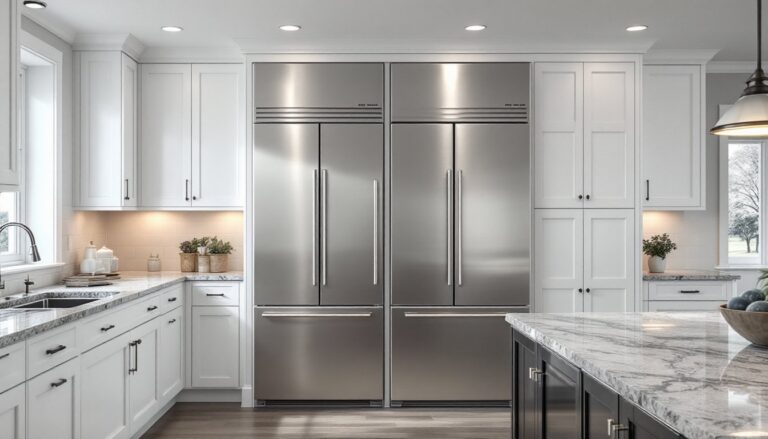
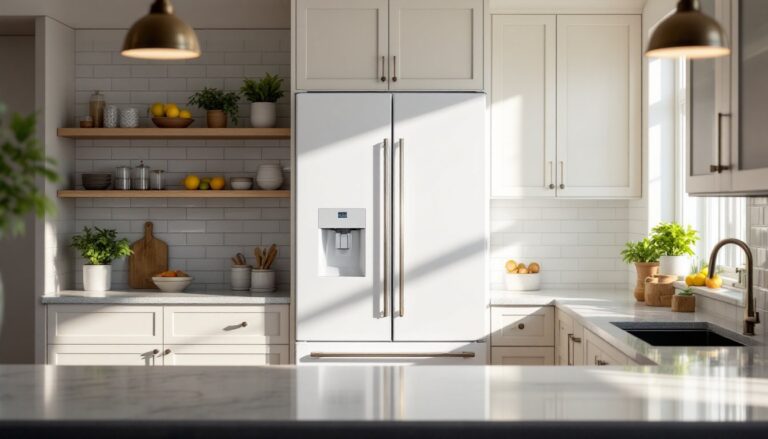
Refrigerators come in several configurations. French door models offer wide shelves and bottom freezers. Side-by-side units fit narrow spaces better. Counter-depth options sit flush with cabinets for a streamlined look but sacrifice some interior volume.
Ranges combine cooktops and ovens in one unit. Gas ranges provide instant heat control that serious cooks prefer. Electric models heat more evenly and cost less to install. Induction cooktops use magnetic fields to heat pans directly, they’re fast, safe, and energy efficient.
Dishwashers vary more than most people realize. Look for adjustable racks, soil sensors, and quiet operation ratings. A dishwasher rated below 45 decibels won’t interrupt conversations.
Ventilation often gets overlooked. Range hoods remove smoke, grease, and odors. Ducted models vent outside and work best. Ductless versions filter and recirculate air, they’re easier to install but less effective.
Energy Star certification identifies efficient appliances. These models use 10-50% less energy than standard options. The upfront cost premium typically pays back through lower utility bills within a few years.
Size matters when selecting appliances. Measure doorways, hallways, and installation spaces before purchasing. Many homeowners have learned this lesson the hard way when a new refrigerator wouldn’t fit through the front door.
Budget Planning and Cost Considerations
Kitchen renovations range from a few thousand dollars to six figures. Setting realistic expectations prevents financial stress and unfinished projects.
A complete kitchen remodel typically costs 5-15% of a home’s value. For a $400,000 home, that means $20,000 to $60,000. Minor updates like painting cabinets and replacing hardware cost far less.
Break the budget into categories:
- Cabinetry: 30-40% of total budget
- Labor and installation: 20-25%
- Appliances: 15-20%
- Countertops: 10-15%
- Flooring, lighting, and fixtures: 10-15%
Set aside 10-20% for unexpected costs. Every renovation uncovers surprises, old wiring, water damage, or structural issues that weren’t visible before demolition.
Prioritize spending on items that affect daily use. Quality cabinets and drawers get opened dozens of times per day. A smooth-gliding drawer system matters more than a fancy backsplash.
Timing affects costs too. Contractors often offer better rates during slower winter months. Appliance sales typically happen around holidays like Memorial Day, Labor Day, and Black Friday.
DIY work saves money but requires honest self-assessment. Painting, hardware installation, and demolition suit most homeowners. Electrical work, plumbing, and gas line modifications need licensed professionals.