Table of Contents
ToggleKitchens serve as the heart of every home. They function as spaces for cooking, gathering, and daily living. A well-designed kitchen improves efficiency, adds value to a property, and makes meal preparation easier. This guide covers kitchen layouts, essential elements, current design trends, and practical planning tips. Whether someone plans a full remodel or a simple update, understanding these core concepts helps create a kitchen that works well and looks great.
Key Takeaways
- Kitchen layouts like L-shaped, U-shaped, and island designs should match your cooking habits, room size, and household needs for optimal efficiency.
- Durable countertop materials such as granite, quartz, and butcher block resist daily wear while defining your kitchen’s style.
- The work triangle—connecting sink, stove, and refrigerator—should total under 26 feet to minimize steps during meal prep.
- Two-tone cabinetry, integrated appliances, and bold backsplashes rank among the top kitchen design trends for 2025.
- Plan your kitchen budget carefully, allocating roughly 40% to cabinetry and keeping 10-15% as a contingency fund for unexpected costs.
- Prioritize layered lighting with ambient, task, and accent sources to create a functional and inviting kitchen space.
Understanding Kitchen Layouts and Their Benefits
Kitchen layouts determine how people move, cook, and interact in the space. The right layout depends on room size, cooking habits, and household needs.
The Galley Kitchen
A galley kitchen features two parallel counters with a walkway between them. This layout works well in narrow spaces and apartments. It keeps everything within reach, which speeds up cooking. But, galley kitchens can feel cramped if more than one person cooks at a time.
The L-Shaped Kitchen
An L-shaped kitchen uses two adjacent walls to form an L. This layout offers flexibility and opens the room for a dining table or island. It provides a clear work triangle between the sink, stove, and refrigerator. Many homeowners choose this layout because it balances openness with efficiency.
The U-Shaped Kitchen
A U-shaped kitchen wraps counters and cabinets around three walls. This design maximizes storage and counter space. It suits larger kitchens and serious home cooks who need room to spread out. The enclosed feel can limit traffic flow, so it works best for single-cook households.
The Island Kitchen
Adding an island to any layout creates extra prep space, storage, and seating. Islands also serve as natural gathering spots during parties and family time. Kitchens with islands need enough floor space, typically at least 10 by 12 feet, to avoid crowding.
The Open-Plan Kitchen
Open-plan kitchens connect to living or dining areas without walls. This layout encourages conversation and makes homes feel larger. It requires careful planning to manage noise, cooking smells, and visual clutter.
Essential Elements of a Functional Kitchen
A functional kitchen combines quality materials, smart storage, and reliable appliances. These elements work together to create a space that handles daily demands.
Countertops and Cabinetry
Countertops take the most abuse in any kitchen. They need to resist heat, scratches, and stains while looking good for years.
Popular countertop materials include:
- Granite: Durable, heat-resistant, and available in many colors. Each slab has unique patterns.
- Quartz: Engineered stone that resists staining and requires no sealing. It offers consistent patterns.
- Butcher block: Warm and natural, ideal for food prep. It needs regular oiling to prevent damage.
- Laminate: Budget-friendly and available in countless designs. Modern laminates resist wear better than older versions.
Cabinetry defines the kitchen’s style and provides essential storage. Cabinets should match both aesthetic preferences and practical needs. Soft-close hinges prevent slamming. Deep drawers hold pots and pans better than traditional shelves. Pull-out organizers make corner cabinets accessible.
Custom cabinets offer exact specifications but cost more. Stock cabinets save money and work well in standard-sized kitchens. Semi-custom options split the difference.
Appliances and Storage Solutions
Appliances form the working core of every kitchen. Quality matters more than quantity.
Key appliances to consider:
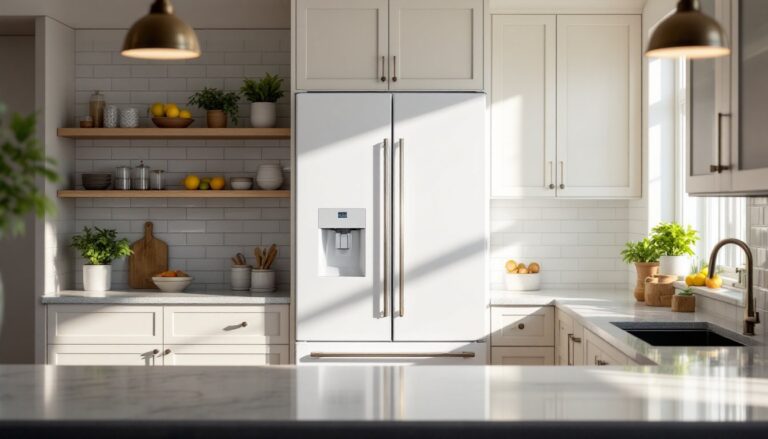
- Refrigerator: French door models offer easy access. Counter-depth units create a streamlined look.
- Range or cooktop: Gas provides precise heat control. Induction offers speed and safety.
- Dishwasher: Look for quiet operation and adjustable racks.
- Ventilation: A good range hood removes smoke, steam, and odors.
Storage solutions keep kitchens organized and efficient. Drawer dividers separate utensils. Lazy Susans access corner cabinet contents. Pull-out trash bins hide waste. Vertical dividers store baking sheets and cutting boards upright.
Pantry storage deserves special attention. Walk-in pantries provide room for bulk items. Cabinet pantries with pull-out shelves work in smaller kitchens. Clear containers help identify contents quickly.
Current Kitchen Design Trends
Kitchen design trends in 2025 balance style with function. Homeowners want kitchens that look beautiful and perform well.
Two-Tone Cabinetry
Many kitchens now feature different cabinet colors on upper and lower sections. A common approach pairs white uppers with navy, green, or wood-tone lowers. This adds visual interest without overwhelming the space.
Integrated Appliances
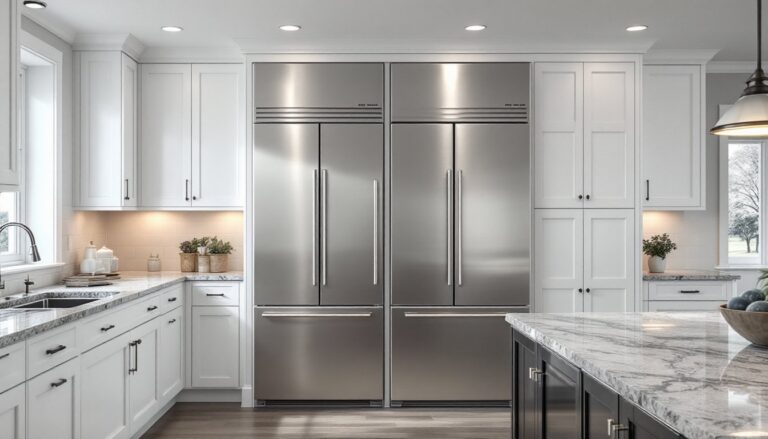
Panel-ready appliances blend into cabinetry for a seamless look. Refrigerators and dishwashers disappear behind matching cabinet fronts. This trend creates clean sight lines and emphasizes other design elements.
Statement Lighting
Oversized pendants and sculptural fixtures serve as focal points above islands and dining areas. Mixed metals, combining brass with matte black, for example, add depth to kitchen lighting schemes.
Natural Materials
Wood, stone, and clay bring warmth to modern kitchens. Open shelving displays handmade ceramics. Stone sinks and wood range hoods create organic focal points. These materials connect indoor spaces to nature.
Smart Kitchen Technology
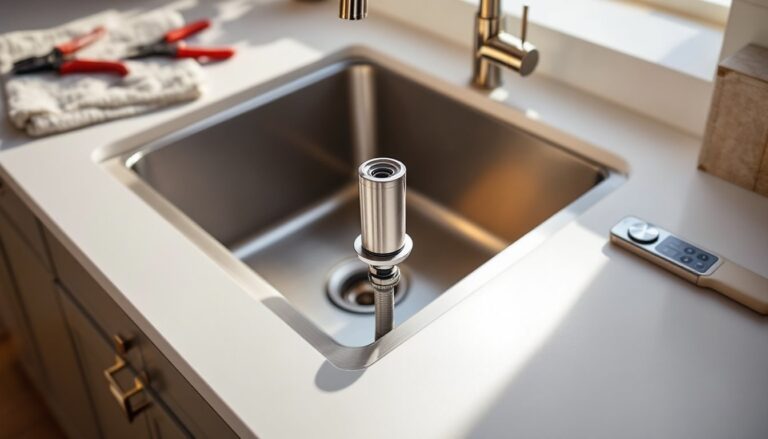
Voice-controlled faucets, smart ovens, and connected refrigerators appear in more kitchens each year. These technologies help with cooking, grocery management, and energy efficiency. Touchless faucets reduce the spread of germs during food prep.
Bold Backsplashes
Backsplashes have become statement pieces. Zellige tiles, large-format slabs, and colorful patterns replace standard subway tile in many kitchens. A dramatic backsplash can transform a simple kitchen into a striking space.
Tips for Planning Your Kitchen Space
Planning a kitchen requires balancing budget, timeline, and priorities. These tips help ensure the project succeeds.
Start with the Work Triangle
The work triangle connects the sink, stove, and refrigerator. Each leg should measure between 4 and 9 feet. The total of all three legs should stay under 26 feet. This arrangement minimizes steps during cooking.
Measure Everything Twice
Accurate measurements prevent costly mistakes. Record ceiling height, window placement, door swing direction, and electrical outlet locations. Note any architectural features like soffits or columns.
Set a Realistic Budget
Kitchens cost between $15,000 and $75,000 on average, depending on scope and materials. Allocate about 40% to cabinetry, 15% to appliances, 10% to countertops, and 5% to lighting. Keep 10-15% as a contingency fund for surprises.
Prioritize Lighting
Kitchens need three types of lighting: ambient (general), task (under-cabinet), and accent (decorative). Layer these sources to create a functional and inviting space. Install dimmers to adjust mood and energy use.
Think About Traffic Flow
Leave at least 42 inches for walkways in single-cook kitchens. Allow 48 inches in kitchens where multiple people cook together. Position the refrigerator near the kitchen entrance so family members can grab snacks without crossing the cooking zone.
Plan for Outlets
Building codes require outlets every 4 feet along countertops. Add outlets inside drawers for charging devices. Install dedicated circuits for heavy appliances like refrigerators and ovens.
Consider Resale Value
Kitchens influence home sales more than almost any other room. Neutral colors, quality materials, and classic layouts appeal to most buyers. Extreme designs may limit future resale potential.