Table of Contents
ToggleTop kitchens share common traits that set them apart from ordinary cooking spaces. They combine smart layouts, quality materials, and thoughtful design choices. Whether someone plans a full renovation or seeks fresh inspiration, understanding what makes a kitchen exceptional matters.
This guide covers the essential elements of top kitchens, from defining features to current design trends. Readers will discover popular styles, must-have features, and practical ideas they can apply to their own spaces. The goal is simple: help homeowners create a kitchen that works hard and looks great.
Key Takeaways
- Top kitchens balance form and function by combining efficient layouts, quality materials, and timeless design choices.
- The work triangle principle—placing the sink, stove, and refrigerator within easy reach—remains essential for layout efficiency.
- Modern minimalist and farmhouse styles dominate current kitchen design, each offering distinct advantages for different homeowners.
- Must-have features in top kitchens include professional-grade appliances, large multipurpose islands, walk-in pantries, and smart home integration.
- Current trends favor two-tone cabinetry, natural stone surfaces, hidden appliances, and warm metal finishes like brushed brass and matte gold.
- Investing in quality ventilation, ample storage, and layered lighting transforms any kitchen into a high-performing, visually appealing space.
What Defines a Top Kitchen
A top kitchen balances form and function. It looks beautiful, but it also performs well for daily cooking, meal prep, and entertaining. Several key factors separate great kitchens from average ones.
Layout efficiency ranks first. The best kitchens follow the work triangle principle, placing the sink, stove, and refrigerator within easy reach of each other. This setup reduces unnecessary steps and makes cooking more enjoyable.
Quality materials come next. Top kitchens feature durable countertops like quartz or granite, solid wood or high-grade cabinetry, and reliable appliances. These materials withstand daily use while maintaining their appearance for years.
Ample storage plays a critical role. Pull-out drawers, deep pantries, and vertical storage solutions keep clutter hidden. A well-organized kitchen feels larger and functions better.
Good lighting transforms any space. Top kitchens combine ambient, task, and accent lighting. Under-cabinet lights illuminate work surfaces. Pendant fixtures add style over islands. Natural light from windows boosts the overall atmosphere.
Finally, timeless design choices define top kitchens. Trends come and go, but the best kitchens avoid overly specific styles that date quickly. Neutral bases with accent pieces allow for easy updates over time.
Popular Kitchen Styles Worth Considering
Choosing a style sets the foundation for every other decision. Two approaches dominate the market right now, each offering distinct advantages.
Modern Minimalist Kitchens
Modern minimalist kitchens prioritize clean lines and open space. They feature flat-panel cabinets, often in white, gray, or matte black. Hardware stays hidden or extremely simple.
These top kitchens rely on quality over quantity. Every element serves a purpose. Countertops remain clear. Appliances integrate seamlessly into cabinetry. The result feels calm and uncluttered.
Materials in minimalist kitchens tend toward concrete, stainless steel, and engineered stone. Color palettes stay neutral with occasional bold accents. Black faucets and matte fixtures add visual interest without competing for attention.
Minimalist designs work especially well in smaller spaces. The lack of visual clutter makes rooms appear larger. They also suit busy homeowners who prefer low-maintenance surfaces.
Farmhouse and Rustic Designs
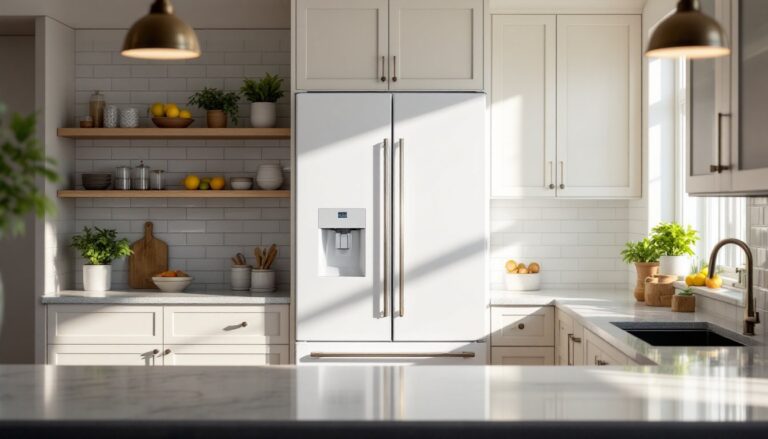
Farmhouse kitchens offer warmth and character. They incorporate natural materials like reclaimed wood, exposed brick, and apron-front sinks. Open shelving displays everyday dishes and decorative items.
These top kitchens often feature Shaker-style cabinets painted in soft whites, creams, or muted greens. Butcher block countertops add functionality and rustic charm. Vintage-inspired hardware and light fixtures complete the look.
Rustic designs embrace imperfection. Wood grain shows through painted surfaces. Furniture-style islands anchor the space. The overall effect feels lived-in and welcoming.
Farmhouse kitchens connect well with open floor plans. They transition smoothly into dining areas and living spaces. Families often gravitate toward this style for its cozy, approachable vibe.
Must-Have Features in High-End Kitchens
Beyond style, certain features elevate a kitchen from good to exceptional. These elements appear consistently in top kitchens across different price points.
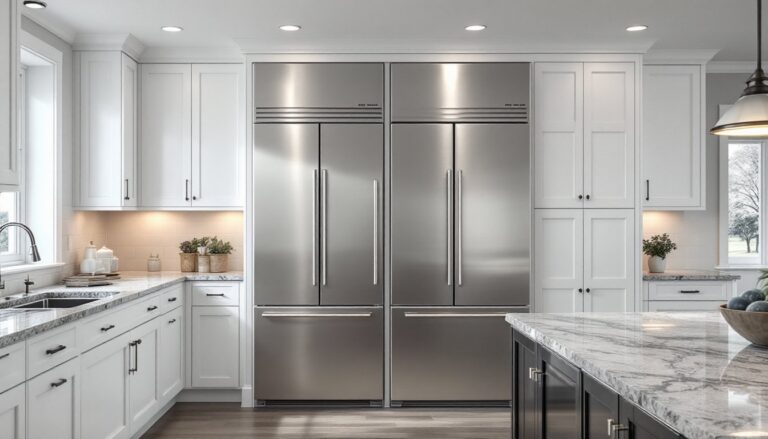
Professional-grade appliances top the list. A six-burner range, built-in refrigeration, and quiet dishwashers make daily cooking easier. Homeowners increasingly choose induction cooktops for their speed and safety.
Large islands serve multiple purposes. They provide extra prep space, casual seating, and additional storage. The best islands include power outlets, prep sinks, and built-in appliance garages.
Walk-in pantries solve storage challenges. They keep dry goods, small appliances, and backup supplies organized and accessible. A well-designed pantry reduces kitchen clutter significantly.
Smart home integration grows more common. Voice-controlled lighting, smart refrigerators that track inventory, and app-connected ovens add convenience. Top kitchens in 2025 often include charging stations and USB outlets.
Quality ventilation protects the home. A powerful range hood removes smoke, steam, and cooking odors. Proper ventilation also prevents grease buildup on surfaces and cabinetry.
Water filtration systems appeal to health-conscious homeowners. Built-in filters deliver clean drinking water directly from the tap. Some top kitchens include instant hot water dispensers as well.
These features require upfront investment but add lasting value. They improve daily function and boost resale appeal.
Current Trends Shaping Kitchen Design
Kitchen design continues to evolve. Several trends define what top kitchens look like right now.
Two-tone cabinetry gains popularity. Designers pair darker lower cabinets with lighter uppers, or contrast island colors with perimeter cabinets. This approach adds depth without overwhelming the space.
Natural stone returns in force. Marble, quartzite, and soapstone appear on countertops and backsplashes. Homeowners accept the maintenance requirements in exchange for unique patterns and warmth.
Hidden appliances continue trending. Panel-ready refrigerators, dishwasher drawers, and concealed microwaves create seamless cabinet lines. This approach supports both minimalist and traditional aesthetics.
Bold backsplashes make statements. Patterned tiles, full-height slabs, and textured surfaces draw attention. Many top kitchens use the backsplash as the primary design focal point.
Warm metals replace chrome and stainless. Brushed brass, matte gold, and oil-rubbed bronze add richness to faucets, hardware, and lighting. These finishes pair well with both modern and traditional styles.
Sustainability influences choices. Recycled materials, energy-efficient appliances, and locally sourced products appeal to environmentally aware homeowners. Top kitchens increasingly reflect these values.
Open shelving declines slightly. Many homeowners prefer the clean look of closed storage. Those who choose open shelves often limit them to small accent areas rather than full walls.