
Table of Contents
ToggleA square kitchen island is one of the smartest moves a homeowner can make in the kitchen. It maximizes usable counter space, improves workflow, and creates a natural gathering point for family meals and entertaining. Unlike rectangular islands, a square layout fits better in smaller to mid-sized kitchens and works with almost any design style. Whether you’re planning to build one from scratch or install a pre-made unit, understanding the basics, from sizing and placement to materials and lighting, ensures your island becomes a functional centerpiece, not an awkward obstacle. This guide walks you through everything you need to know to choose and install a square kitchen island that works for your space.
Key Takeaways
- A square kitchen island maximizes counter space on all four sides, improves workflow, and works best in kitchens between 150–250 square feet with a 36×48-inch footprint.
- Square islands fit seamlessly into modern, contemporary, traditional, and farmhouse styles through careful material and design choices like quartz countertops, pendant lighting, and matching cabinetry.
- Proper spacing is essential: maintain at least 42 inches of clearance on all sides for safe passage and position your square kitchen island perpendicular to perimeter counters for optimal access.
- Premium countertop materials like quartz cost $800–$1,500 installed and resist stains better than granite or butcher block, while a level floor beneath prevents structural damage.
- Functional features including pendant lights (hung 30–36 inches above), undercounter dishwashers, electrical outlets, and proper ventilation systems transform your island into a versatile work and gathering space.
Why Choose a Square Kitchen Island for Your Home
A square kitchen island offers distinct advantages over other shapes. First, it provides efficient counter space on all four sides, letting multiple people work or eat simultaneously. The equal dimensions make traffic flow more predictable, you’re not navigating around a long rectangular bulk. A square island also sits naturally in center-oriented kitchens where the work triangle (sink, stove, fridge) wraps around it, keeping cooking zones compact.
Square islands adapt well to kitchens between 150 and 250 square feet. Homeowners often find that a 36-inch to 48-inch square footprint works best without consuming too much floor space. The open sightlines on all sides make even modest kitchens feel less cramped. Plus, if your kitchen doubles as a living or dining area, a square kitchen island with seating encourages conversation and connection rather than isolating the cook. From a resale perspective, a well-designed island adds significant perceived value and functionality that buyers notice immediately.
Building or installing a square island also gives you control over height. Standard counter height is 36 inches, but adding a 12-inch overhang for barstool seating is common and manageable during installation. This flexibility lets you tailor the island to your household’s needs without costly modifications later.
Design and Style Considerations
Modern and Contemporary Styles
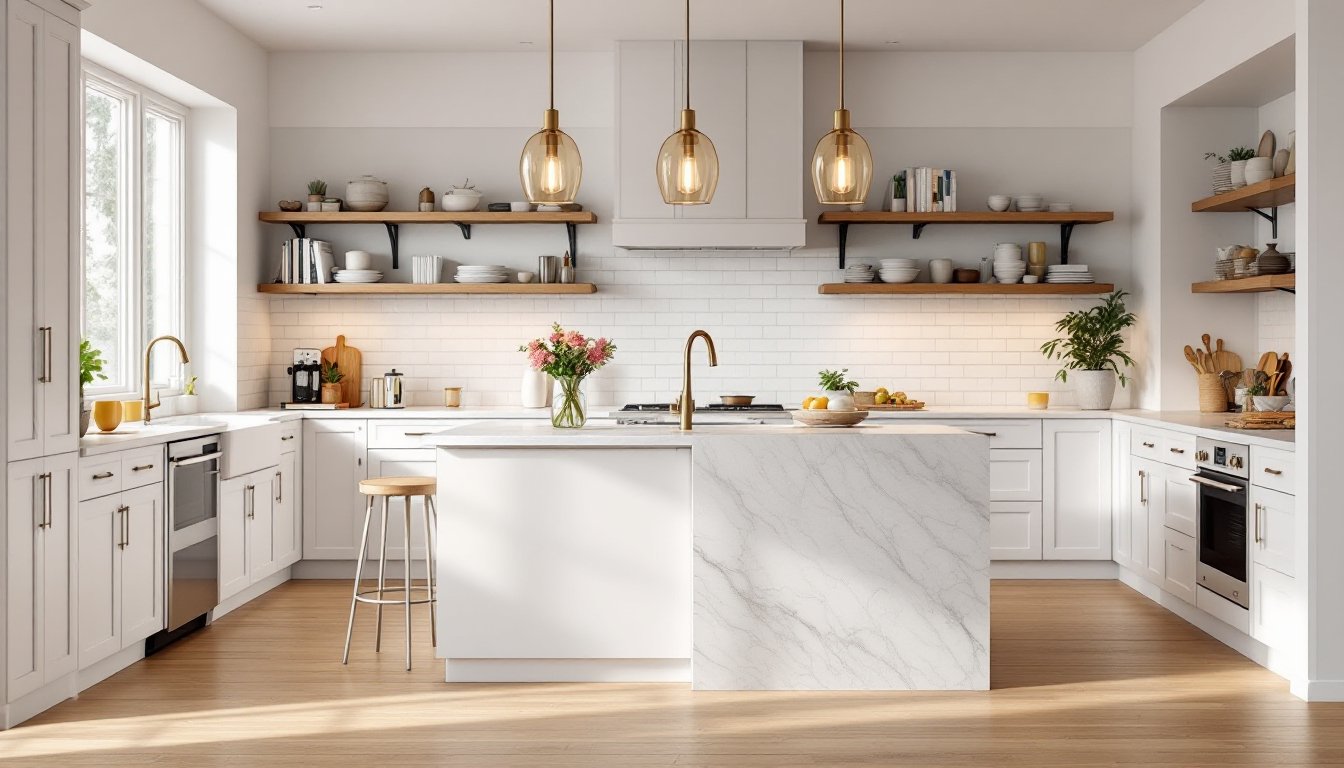
For modern kitchens, square islands shine with clean lines and minimalist details. Think flat-panel cabinetry, integrated handles (or handleless drawer fronts), and a waterfall edge on the countertop where the material flows from horizontal to vertical. Stainless steel or matte black hardware pairs well with white, gray, or charcoal painted bases. Open shelving on one side, held up by steel brackets, keeps the look airy and shows off cookbooks or dishware.
Contemporary islands often skip a back panel, letting you see through to the rest of the kitchen. This openness is crucial in modern design: it prevents the island from feeling like a barrier. Pairing a square island with concrete or engineered quartz countertops reinforces that clean aesthetic. Kitchen Ideas: Inspiring Designs can help you visualize how modern islands anchor a contemporary space.
Traditional and Farmhouse Aesthetics
Traditional and farmhouse kitchens celebrate woodwork and decorative detail. A square island in this style might feature beadboard panels, turned legs, or a 5-inch toe kick beneath the base. Natural wood finishes (oak, cherry, or painted white with a distressed edge) age gracefully and feel inviting. Open shelving with crossbraces adds rustic charm without sacrificing function.
Farmhouse islands often include a prep sink or a butcher-block top section for pastry work. Paired with vintage-style pendant lights and brass or bronze hardware, the square footprint becomes a cozy work station that guests naturally gather around. Best Kitchens: Design Ideas showcase how traditional islands anchor farmhouse and cottage-style spaces with warmth and character.
Space Planning and Layout Tips
Start by measuring your kitchen floor to the nearest inch, noting door swings, appliance placements, and traffic patterns. A square island needs at least 42 inches of clearance on all sides for safe passage, more if you have two cooks working simultaneously. An island that’s too close to the refrigerator or stove crowds your work zones and defeats the purpose.
Consider the size carefully. A 36×36-inch island suits most 150–180 square-foot kitchens and doesn’t overwhelm the space. A 48×48-inch square works in larger kitchens (220+ square feet) and can comfortably seat four to six people with bar seating on one or two sides. Anything smaller than 30×30 inches feels cramped for prep work: anything over 60 inches monopolizes small kitchens.
Draft a floor plan on graph paper or use a kitchen design app to test placement. Position the island perpendicular to your countertops, not parallel, to maximize access from multiple angles. How to Design and Organize Your Kitchen for Maximum Functionality covers the workflow principles that ensure your island placement supports, not hinders, your cooking routine. If your kitchen has a peninsula or single-wall layout, a square island becomes the anchor that balances and opens up the whole space.
Materials, Countertops, and Finishes
The countertop material sets the tone for durability and maintenance. Quartz (engineered stone) resists stains, scratches, and heat well, ideal for high-traffic islands. A 25-square-foot island top in premium quartz runs $800–$1,500 installed, depending on your region and edge profile (bullnose, beveled, waterfall). Granite offers natural variation and charm but requires sealing annually. Butcher block adds warmth in farmhouse kitchens but demands regular conditioning to prevent cracking.
The island base typically uses the same cabinetry style as your perimeter cabinets for visual continuity. Paint-grade plywood (¾-inch for the frame) is cost-effective if you’re building: solid wood like oak or birch runs higher but looks premium. If you’re installing a pre-made island, most builders offer matching cabinet colors and finishes.
Surface prep cannot be skipped. Whether your island is built-in or freestanding, ensure the floor beneath is level (check with a 4-foot level). A rocking island is unsafe and damages both the unit and your confidence. Kitchen Strategies: Smart Ideas emphasize how material selection and proper installation create islands that last decades without structural failure or cosmetic regret.
Lighting and Functional Features
Lighting above your square island is non-negotiable. Pendant lights, hung 30–36 inches above the countertop, illuminate prep work and create ambiance. Two or three 40-watt-equivalent LED pendants work well for a 36×36-inch island: a 48×48-inch island often calls for four pendants or a pair of larger fixtures. Recessed cans in the ceiling can provide task and ambient light: a single pendant adds charm without overwhelming the space.
Functional features boost your island’s utility. Adding a 24-inch undercounter dishwasher eliminates rinsing steps during meal prep. A small beverage cooler or wine fridge on one end keeps drinks accessible during entertaining. Open shelving stores cookbooks and everyday dishes you reach for often, avoid cluttering with seldom-used gadgets. Mounting a towel bar on the end provides convenient access.
If you’re serious about a square kitchen island with seating, ensure you have adequate leg room beneath the overhang (at least 15 inches). Install an outlet on the island’s side panel for phone charging or a coffee maker. Venting is critical too: most islands with cooktops require an island hood or downdraft system pulling fumes downward (codes vary by jurisdiction, so check local IRC guidelines before planning). The Kitchn and Fix This Build That offer detailed guides on island ventilation and electrical integration that prevent costly do-overs. Building in function from day one, rather than retrofitting, saves labor and regret.