
Table of Contents
ToggleA small kitchen doesn’t mean settling for cramped cooking or storage headaches. Whether someone is working with 70 square feet or 150, strategic remodeling can transform an undersized space into a functional hub that feels open and efficient. Smart layout adjustments, compact appliances, and clever storage solutions are the keys to making every inch count. The good news? Most small kitchen remodels don’t require gutting the space, they’re about working smarter with what’s there. This guide covers seven proven design strategies that homeowners and DIY enthusiasts can use to maximize their small kitchens in 2026.
Key Takeaways
- Strategic layout adjustments like single-wall or galley configurations transform small kitchen remodels without requiring expensive plumbing or electrical work.
- Installing vertical storage solutions, wall-mounted shelving, and pull-out organizers maximize every inch while keeping countertops clear and uncluttered.
- Downsizing to compact, multifunctional appliances—such as 24-inch refrigerators and convection microwave combos—frees up physical and visual space in tight kitchens.
- Bright lighting (recessed ceiling lights, LED strip task lighting, and multiple light sources) and light color palettes make small kitchens feel larger at minimal cost.
- Budget-friendly upgrades like cabinet refinishing ($2,000–$5,000), hardware swaps, and affordable flooring deliver dramatic results without gutting the entire space.
- Most successful small kitchen remodels prioritize function and sightlines over luxury, layering affordable improvements like paint, backsplash tile, and DIY projects to maximize value.
Make Your Small Kitchen Feel Bigger With Strategic Layout Changes
The footprint of a small kitchen is fixed, but the flow isn’t. Rethinking the layout, even without moving plumbing or electrical, makes a dramatic difference. The classic work triangle connects the sink, stove, and refrigerator: in a small kitchen, tightening this triangle reduces wasted steps and eliminates the feel of disconnection between zones.
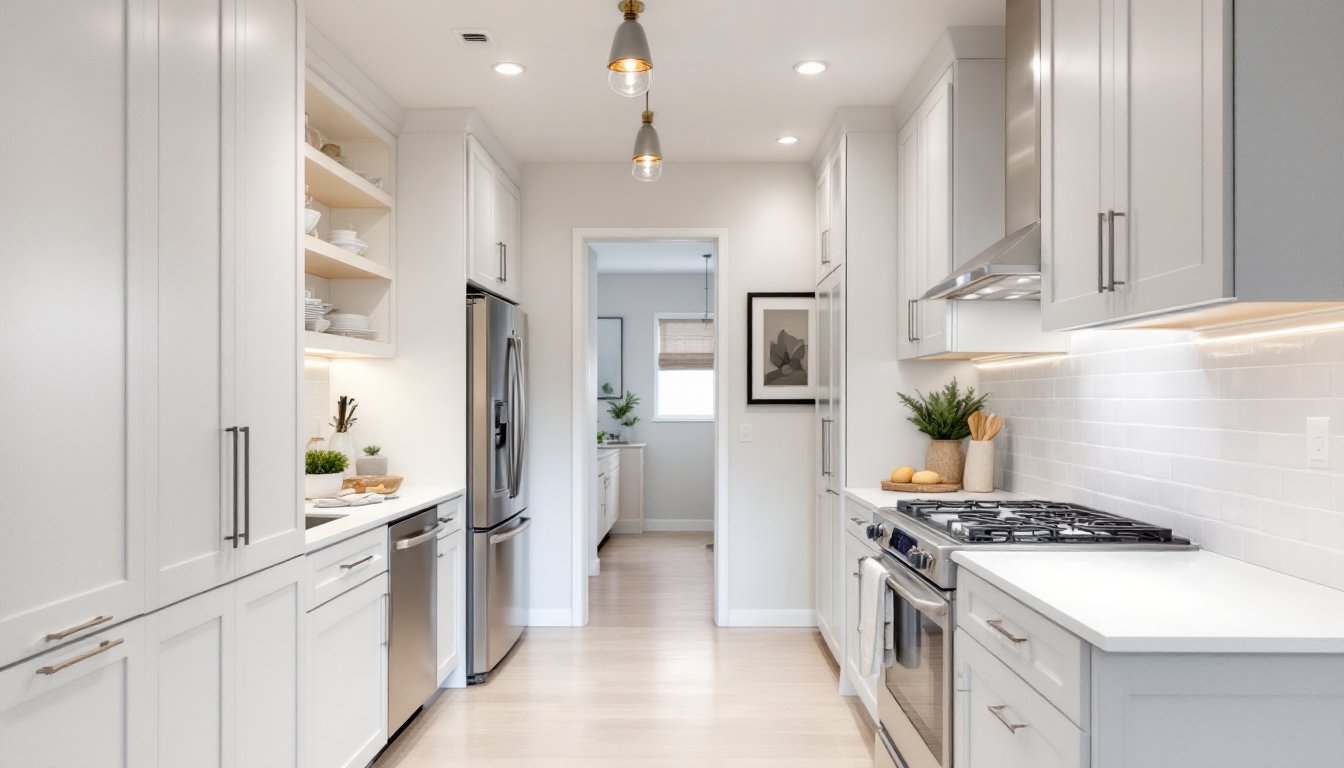
Consider a single-wall or galley layout if the space allows. Single-wall kitchens line everything along one wall, which works well for apartments and studios where breaking up the space actually makes it feel smaller. Galley kitchens, two parallel walls of cabinetry, maximize counter space and create natural workflow without sprawling. If the kitchen opens to the living area, removing or lowering a wall cabinet or partial wall (only if it’s not load-bearing, confirm with a structural engineer first) opens sightlines and makes the whole adjacent area feel larger.
Moving the refrigerator or repositioning the range by even a few feet can open up counter space where it matters most: near prep and cooking zones. Kitchen Strategies: Smart Ideas for a more functional space walks through how layout priorities shift in compact kitchens. Keeping pathways at least 36 to 42 inches wide prevents the kitchen from feeling like a corridor, and avoiding face-to-face appliances or cabinetry reduces claustrophobia. One practical trick: mount the microwave high on the wall instead of on the counter, freeing up valuable work surface.
Choose Smart Storage Solutions to Eliminate Clutter
In a small kitchen, clutter makes the space feel half its actual size. Storage isn’t just about fitting things in, it’s about keeping daily-use items visible and accessible while hiding the rest. This section covers vertical storage and wall-mounted options, the game-changer for small kitchens.
Vertical Storage and Wall-Mounted Options
Walls are real estate. Installing open shelving 12 to 15 inches above the counter keeps frequently used items (glasses, bowls, spices) within arm’s reach without consuming floor or cabinet footprint. Use closed cabinetry below for bulk storage and appliances. Pegboards above the sink or stove hold pots, ladles, and utensils, turning a typically bare wall into organized, accessible storage.
Corner cabinets often waste space due to dead zones. Lazy Susan turntables or pull-out shelves inside corner cabinets make the back accessible without reaching. Under-sink pull-outs organize cleaning supplies and keep the area from becoming a black hole. Drawer dividers, stackable containers, and vertical dividers (the kind used for baking sheets and cutting boards) maximize what’s already built in.
Magnetic strips on the side of a refrigerator or on backsplash hold metal utensils and knives, freeing drawer space. A wall-mounted magnetic spice rack or hanging rail system keeps the countertop clearer. Kitchen Ideas: Inspiring Designs for every style show how even minimal cabinetry can work when organization is thoughtful. The rule: if an item doesn’t earn its counter real estate daily, find it a home elsewhere.
Upgrade Your Appliances to Compact, Multifunctional Models
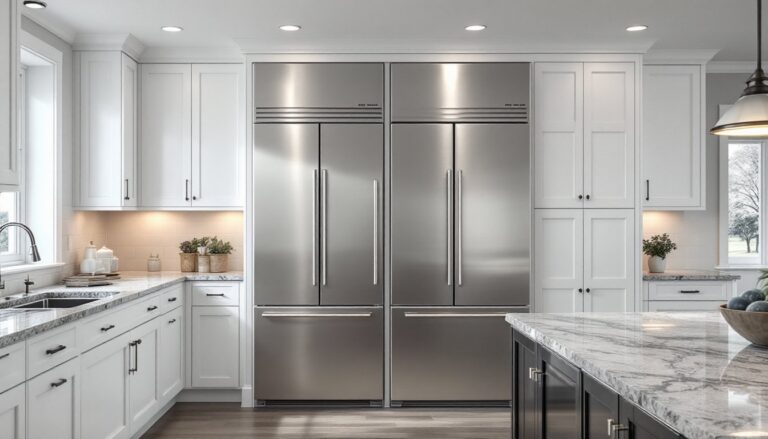
Oversized appliances are the biggest visual anchor in a small kitchen, and often the least necessary. Replacing a 36-inch refrigerator with a 24-inch or slim 28-inch model saves 12+ inches of footprint while still holding a week’s groceries for two people. Compact ranges, often 30 inches instead of 36, shrink the cooking zone without sacrificing utility. Many homeowners overestimate oven capacity they actually use: a single oven 24-inch range or slide-in model handles most cooking tasks and leaves breathing room on either side.
Multifunctional appliances multiply value in tight spaces. A convection microwave oven combo replaces two units with one. A two-burner induction cooktop (smaller footprint than gas, faster heating, safer around kids) can sit on a portable base or in a corner. Dishwasher drawers, slimline, 18-inch units, replace the standard 24-inch model and fit into cabinet openings others miss. Some homeowners skip the dishwasher altogether, accepting hand-washing in exchange for 24 extra inches of storage or counter space.
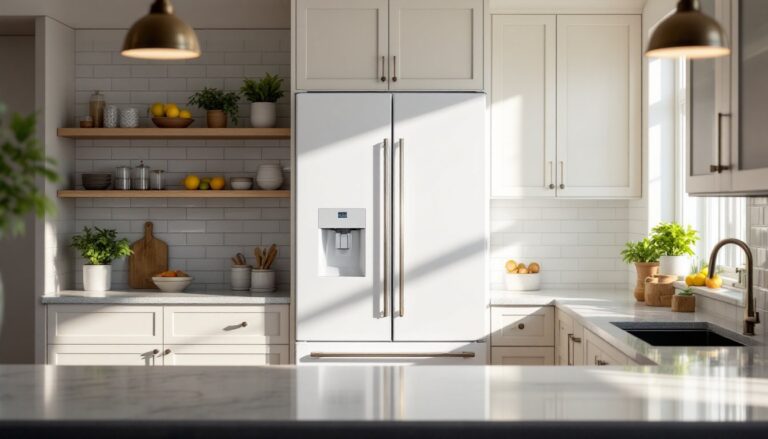
Look for stainless steel finishes on appliances to reflect light and reduce visual clutter: matte or slate finishes work too. Refrigerators and dishwashers that match or blend with cabinetry visually “disappear,” making the kitchen feel open. Avoid buying the largest capacity or most feature-rich model just because it’s on sale: undersized, purposeful appliances serve small kitchens better. Resources like ImproveNet provide cost guides for appliance swaps and renovation planning.
Brighten Your Space With Lighting and Color Choices
A dark small kitchen feels half the size. Lighting and color are the cheapest way to expand the perceived space, no contractors required. Install recessed ceiling lights on a dimmer (spacing them 4 to 6 feet apart for kitchen work areas) to eliminate shadows and brighten the whole zone. Task lighting under cabinets using LED strip lights (low heat, long life, affordable) illuminates countertops and reduces strain during prep. A simple flush-mount light centered in the ceiling brightens the core: pendant lights over an island add character without eating headroom if kept at least 30 inches above the countertop.
Color choices matter more than homeowners realize. Crisp white or soft gray cabinetry reflects light, while dark cabinets can absorb it and make a 100-square-foot kitchen feel cramped. If someone loves dark finishes, keep walls and appliances light to balance. Pale countertops and backsplashes, white, cream, or light gray subway tile, maintain sightlines and flow. Pops of color work best in accessories (dish towels, a small area rug, cabinet hardware) rather than in structural elements: swapping these out later is easy if tastes change.
Mirror or polished tile backsplashes multiply light and create depth illusion. Glossy paint on cabinet trim catches light differently than matte, adding subtle brightness. Kitchens Examples: Inspiring Designs for every home style demonstrate how thoughtful lighting and color unlock the psychological sense of space. The takeaway: invest in 3 to 4 light sources at different levels and keep the palette light.
Budget-Friendly Tips for Small Kitchen Renovations
A full small kitchen remodel (new cabinetry, appliances, counters, flooring) runs $15,000 to $30,000+ depending on material choices and your region, but strategic upgrades deliver results without that price tag. Start by assessing what truly needs replacement. If cabinets are structurally sound, refinishing or repainting them ($2,000 to $5,000) refreshes the space far cheaper than replacement. Cabinet hardware swaps ($200 to $500) are instant facelifts and take an afternoon.
Countertops don’t always require full replacement. Laminate or vinyl counters ($50 to $100 per linear foot installed) work fine in small kitchens because the total footage is low: a 10-foot run costs $500 to $1,000 fully installed. Paint existing laminate with epoxy or polyurethane countertop paint ($300 to $600 total) if surfaces are in good shape. Tile or sheet vinyl flooring ($3 to $8 per square foot) is cheaper than hardwood and practical for a kitchen.
Focus budget on visible elements: lighting, fresh cabinetry finish, and hardware get seen daily. Backsplash tile, especially self-adhesive peel-and-stick tile, costs $100 to $400 and changes the whole look. Painting walls and trim ($500 to $1,000 for a professional or $100 in materials for DIY) creates drama for minimal cost. Resources like The Kitchn share budget-conscious small kitchen solutions. The golden rule: sweat equity (DIY painting, hardware installation, demolition) replaces money where possible, and prioritize projects that affect sightlines and daily function over luxury touches.
Conclusion
Small kitchens thrive on intentional design, not expensive overhauls. Strategic layout tweaks, smart storage, right-sized appliances, and thoughtful lighting transform cramped spaces into functional, pleasant places to cook and gather. Start with one or two changes, maybe new lighting and a cabinet refresh, and layer from there. Most small kitchens don’t need gutting: they need clarity. With these seven solutions, homeowners can create a kitchen that works harder and feels bigger, all without breaking the budget.